Proper maintenance of tools and equipment is essential, since they play a crucial role in both household chores and professional activities. Keeping them clean, storing them properly, and fixing any damage will extend their lifespan. This approach ensures your implements remain ready for use while being cost-effective.
Here are key recommendations for keeping your tools and equipment in excellent shape.
Clean Regularly After Every Use
Prioritizing immediate cleanup following use significantly improves the longevity of your equipment. Removing residues such as dirt, grease, or chemicals assists in averting premature wear and tear coupled with corrosion. Give each one of them an exhaustive inspection during their cleanup, directing your attention towards possible early indications of harm that necessitate prompt fixing. To preserve its optimal functionality and avert any potential blockages, guarantee thorough cleaning, particularly applies to saws, drills, and similar apparatus containing delicate components. By maintaining a steady regimen of cleaning, you not only ensure peak performance but also equip your tools for enduring utility throughout numerous tasks.

Keep Tools Out of the Elements
Where you store your tools plays a big role in how long they last. Keeping them safe from bad weather can stop rust and damage. Consider using a dry place or even a shed that’s well taken care of. Popular options like toolboxes or wall racks help save space while keeping things organized, too. For extra protection against the moisture that causes rust, think about using silica gel packs inside your storage units. If you keep your equipment in good condition and safely stored away, it will be ready for work every time you need it without any fear of breaking down or getting harmed over time.
Lubricate the Tools and Equipment
Taking care of your tools regularly can make a big difference in how well they work. Make it a habit to oil up moving parts within machines or give hand tools an occasional wipe down with oil. Using multi-purpose oil is a great way to keep various tools in top shape. This practice does two things: it helps dissolve rust and guarantees smooth functioning. By keeping everything well maintained, each component gets the chance to last longer, free from wear and tear. Regular upkeep offers significant benefits, including improved performance, speedier operation, plus an extended lifespan for all your most loved tools and gear, so they are always ready to use when needed most.

Fix Minor Issues Early
Whenever you spot a problem with any of your tools, ensure that you fix it instantly. Neglecting small complications could lead to them turning into serious hurdles that impact performance plus lifespan negatively over time. For example, if results indicate the drill goes off track, consider recalibrating or mending it straight away to dodge future hassles linked with imprecise boring jobs done later on down the line. Addressing concerns such as fractures, rust spots, or other forms of damage immediately helps maintain consistent efficiency while avoiding unplanned downtime. That’s both bothersome and financially taxing when it comes time for replacement or major repairs needed on tools being used regularly at worksite jobs, etc.
Organize Your Workspace
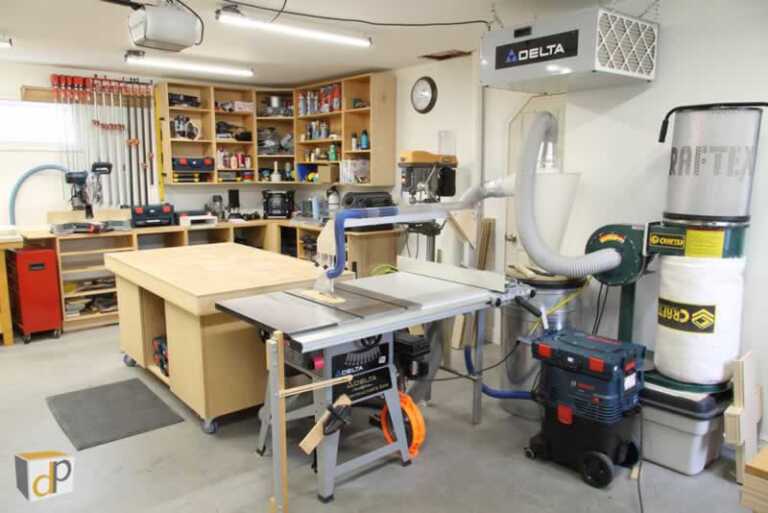
Not only does a tidy workplace look wonderful, but it also enables you to work more effectively and saves time. Finding what you most need is rather simple when all of your tools are arranged in their designated locations instead of sorting through mountains of things. This benefits speedy cleanups between tasks, too—one person found that storing his ladder upright with clamps sideways saved lots of time during project changes. Using storage options like pegboards, tool belts, or labeled boxes makes working smoothly together more attainable as well. However, because everyone knows where each instrument lives, no one has to waste precious minutes searching ever again. Together, every job gets done faster and better, too.
Conclusion
Taking good care of your tools and equipment prevents unneeded wear and tear, ensures optimum output every day, and keeps them shielded against outside dangers like moisture or extreme temperatures. These tips will help you ensure that your tools last for years to come.