
Hey there, fellow homeowner! Has a pesky roof leak got you scrambling for buckets every time it rains? I’ve been there, and let me tell you, it’s no fun. But fear not! Today, we’re diving deep into the realm of indoor roof repairs.

Buckle up, and let’s return your home to being the cosy sanctuary you deserve with Roofing Arlington Va.
Identify the Culprit
First things first: before you can fix a problem, you need to understand it.
- Check Out the Attic: If you have an attic, this is usually the first place to investigate. Arm yourself with a flashlight, preferably on a rainy day, and look for wet spots, mould, or even daylight peeking through. This is detective work, my friend, and every clue helps!
- Trace the Path: Water is crafty. It doesn’t always drop straight down. Sometimes, it travels along beams, rafters, or pipes before finding its way to your living space. This means the origin of the leak could be several feet away from where you spot the damage.
Temporary Patch-up from the Inside
Now, while it’s essential to eventually address roof leaks from the outside, sometimes you just need a quick fix to prevent immediate damage.
- Materials You’ll Need: Roofing tar or sealant and a putty knife. Both are readily available at your local hardware store.
- The Quick Fix: After locating the leak source, spread a generous amount of the sealant using the putty knife. Remember, this isn’t a permanent solution, but it’ll keep you dry for the time being.
Contemplate the Age of Your Roof
A single leak doesn’t always mean you need a new roof. However, if your roof is over 20 years old and you’ve been spotting multiple problem areas, it might be time to chat with a roofing professional.

The Importance of Prevention
As the old adage reminds us, “Preventing a problem is easier than fixing it later.”
- Clear Debris Regularly: Your roof and gutters are not storage spaces for nature’s leftovers. Keep them clear of leaves, twigs, and any debris. A clogged gutter or a pile of wet leaves on your roof can easily lead to leaks.
- Regular Inspections: Just like you go for regular check-ups, your roof needs them too. Inspect it at least twice a year, focusing on potential problem areas like valleys, chimneys, and skylights.
Seek Expert Advice
Roofing isn’t just about nailing shingles. There’s a lot of expertise involved.
- Consultations: If your DIY fixes aren’t holding up, don’t hesitate to call a pro. They’ll offer insights you might not have considered.
- Considerations for a New Roof: If you do need a new roof, discuss options. Maybe it’s time for an upgrade, like solar shingles or a garden roof?
Understanding Roofing Materials
Different roofs have different lifespans and quirks:
- Asphalt Shingles: The most common type, lasting about 20 years.
- Wooden Shingles or Shakes: These can last 30 years or more but require regular maintenance.
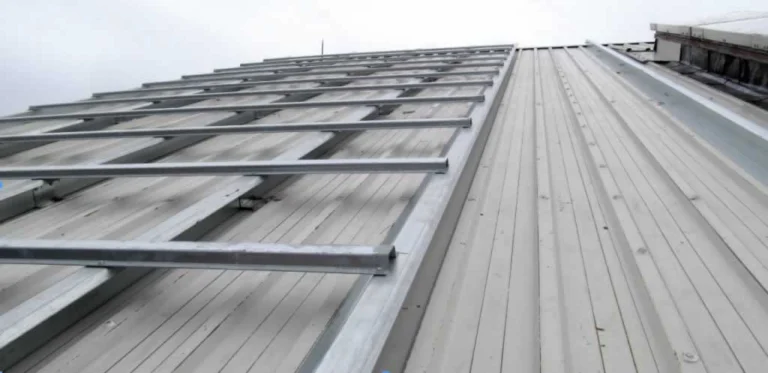
- Metal Roofs: Extremely durable, with a lifespan of up to 70 years!
Understanding your roof can help you anticipate problems and decide on the best solutions.
Inside Fixes vs. Outside Fixes
While our focus is on inside fixes:
- Remember that an inside fix is often a temporary solution.
- The best way to fix a leak is usually from the outside. This might involve replacing shingles, sealing around roof fixtures, or even installing new underlayment.
Dangers of Neglecting a Leak
We can’t stress enough how important it is to address roof leaks promptly:
- Mould and Mildew: Prolonged dampness can lead to mold, affecting indoor air quality.
- Structural Damage: Water can weaken rafters, ceiling joists, and even wall framing.
- Wasted Energy and Higher Bills: Water can damage insulation, making your home less energy-efficient.
Your Roof and Home Insurance
Always check your homeowner’s insurance policy. Some roof repairs might be covered, especially due to unforeseen events like storms. However, general wear and tear often aren’t covered, so it’s good to be prepared. Get your Roof repair https://www.roofersofarlington.com/falls-church-va.php
Final Thoughts
Every home has its share of quirks, and roof leaks are just one challenge on the homeowner’s journey. But with knowledge, perseverance, and perhaps a little professional help, you can ensure your home remains the cozy, dry haven it’s meant to be. Thanks for sticking with me through this roofing journey through indoor roof repairs. Remember, a happy home is a dry home. So, roll up those sleeves, get that sealant out, and let’s bid farewell to those pesky leaks. Happy repairing!
FAQs on Indoor Roof Repairs
1. Q: I’ve identified the leak’s source in the attic. Should I still consult a professional?
A: While identifying the leak source is a great first step, it’s always a good idea to consult a professional if you’re unsure about the repair process. They can ensure the issue is addressed thoroughly and provide insights on potential underlying problems.
2. Q: How often should I check my attic for potential leaks or damages?
A: It’s advisable to inspect your attic at least twice a year, preferably during the spring and fall. Additionally, after any major storm or significant weather event, a quick check can help catch issues before they escalate.
3. Q: My roof is over 20 years old, but I only noticed one leak. Do I need to replace the entire roof?
A: Not necessarily. A single leak on an older roof might be an isolated issue. However, given the roof’s age, it’s a good idea to have a thorough inspection to determine its overall condition and assess if more significant repairs or a replacement are on the horizon.
4. Q: Can I permanently fix a leak from the inside of the house?
A: Fixing a leak from the inside is usually a temporary solution. While it can help prevent immediate damage, the best and most permanent repairs are typically made from the outside. This ensures that the root of the problem is addressed, preventing future leaks in the same area.
5. Q: Are all indoor sealants the same? What type should I use for my roof leak?
A: No, all indoor sealants aren’t the same. The choice of sealant can depend on the roof material and the nature of the leak. For most household leaks, a general-purpose roofing sealant available at hardware stores will suffice for indoor roof repairs. However, if you’re unsure, consult with a roofing professional or ask for recommendations at your local home improvement store.

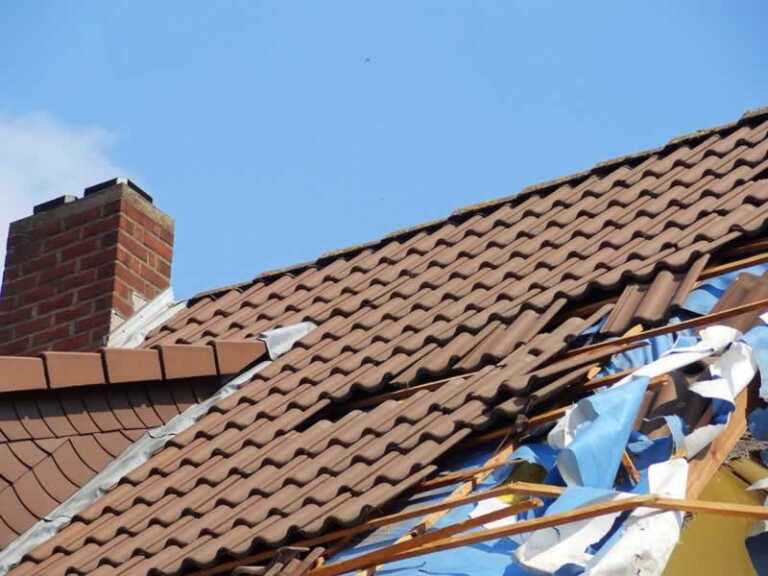
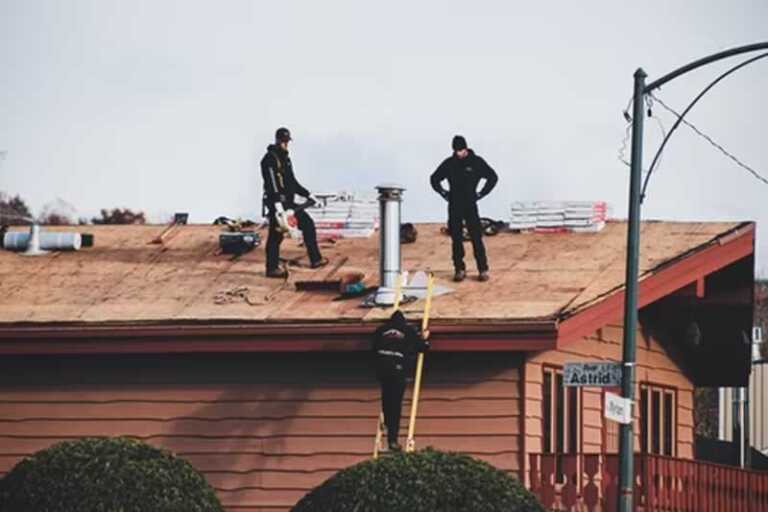
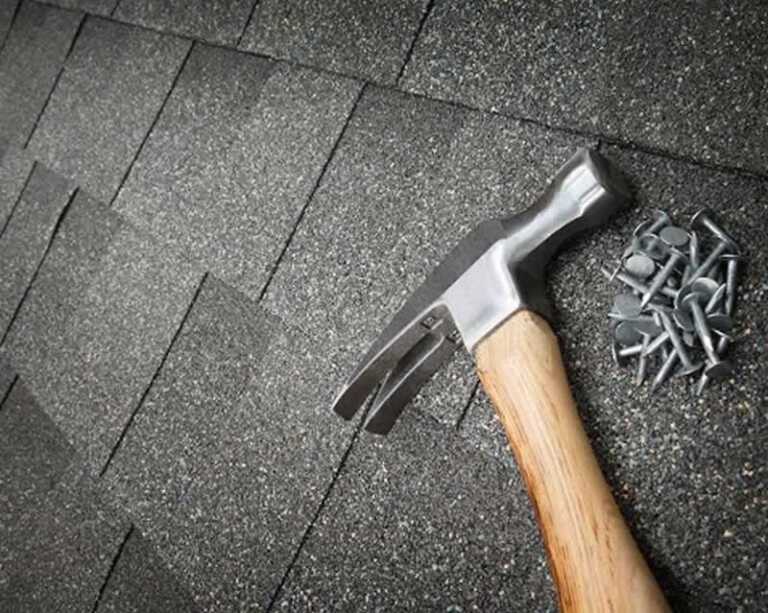
Roofing repair starts by finding the exact leak. Indoor roof repairs involve fixing leaks, cracks, or water damage from inside the building. Temporary sealing can be done with waterproof sealant or tape. Damaged wood or wet insulation must be replaced. Proper ventilation helps control moisture and condensation. A permanent fix requires a full outside roof inspection. Identifying the problem early, using the right materials, and taking proper safety precautions can save a lot of hassle later.
Indoor roof repairs involve fixing leaks, cracks, or water damage from inside the building. Start by identifying the source of the leak and marking affected areas. Remove damaged materials like drywall or insulation carefully. Apply sealants, patching compounds, or replacement panels to repair the roof structure. Ensure proper ventilation and drying to prevent mold growth. Finally, inspect the area regularly to catch any recurring issues early.
Indoor roof repairs are essential to prevent leaks, water damage, and mold growth. Identifying the problem early, using the right materials, and taking proper safety precautions can save a lot of hassle later. For major repairs, getting construction estimates from a professional ensures the work is done correctly and within budget.