
With the seasons changing every few months, adapting to the ever-fluctuating temperature can be tricky, especially if you live somewhere that receives all four seasons. But as long as you have the right equipment, doing so will be a piece of cake. After all, replicating different temperatures is now possible thanks to technological advancements.

Heating, ventilation, and air conditioning (HVAC) units are the best example of this temperature-changing technology. Thus, it’s ideal for every house to have these units installed, considering they can improve your home’s comfort for everyone inside. However, you might encounter issues while using them. And one of them is problems with efficiency when it comes to energy. Now that you’re a homeowner, energy efficiency is only one of the things you need to maintain or look after in your home. Since it’s nearly impossible to function in the house without energy, learning how to manage it is essential as it affects your monthly bills and the environment. So, if you want to save money and reduce your carbon footprint, consider checking if your unit is always energy-efficient. You can do this by doing the following:
1. Check The Ratings
You can identify the energy efficiency of your HVAC unit by looking for its ratings, namely the Seasonal Energy Efficiency Ratio (SEER) and Annual Fuel Utilization Efficiency (AFUE). Seasonal Energy Efficiency Ratio measures the energy efficiency of your AC unit by dividing the typical cooling output during the cold season by the amount of energy it uses. Therefore, the higher the number, the better it is for your HVAC unit. If you want to use a reference, the minimum standard of SEER rating is between 13 to 22, with 13 being the lowest and 22 the highest. According to Energy Star from the Department of Energy, the average SEER rating for a unit must be around 14.
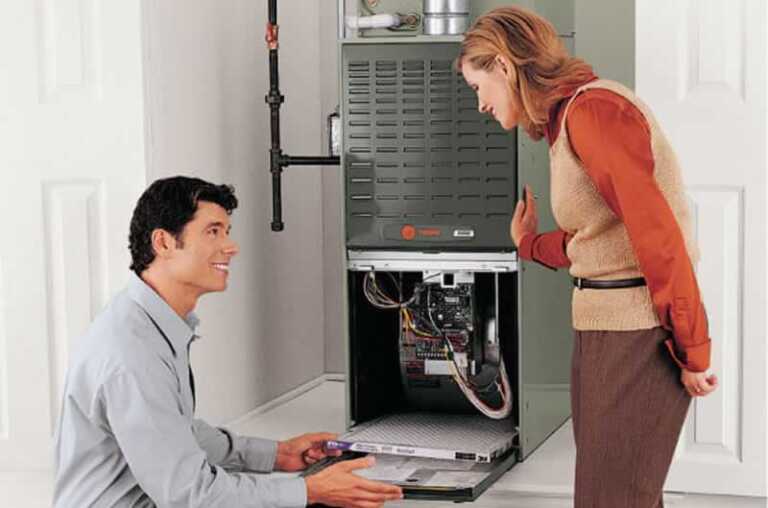
As for Annual Fuel Utilization Efficiency, this is the primary unit of measurement for those who use a furnace instead of an HVAC unit. Although it has the same gist as SEER, the AFUE rating is measured by percentage. A high-efficiency heating system has a rating of 90%-98%. If your AFUE reaches 90%, then 90% of your fuel goes to heating your home. Meanwhile, 75 to 78% of AFUE is the minimum standard for a furnace.
2. Know How Old It Is
Naturally, the older the unit gets, the more its quality degrades. Thus, even though your HVAC unit was able to pass the average rating early on, you’re bound to find it getting lower and lower over time. While that’s not enough to be a cause of concern, it might become one once it reaches over a decade. By that time, your HVAC unit is most likely not running as smoothly as it used to be since its life expectancy only ranges from 10-15 years. Therefore, you must remember when you first got it. Keep its receipt or ensure the label containing essential information about the unit stays.
Check it now and then and consider replacing them once it has reached its life-expectancy limit. Otherwise, this little detail might slip your mind after some time. And you may only notice it once it malfunctions and increases your energy bills. When that happens, you might have already wasted energy for so long.

3. Look Out For Signs Of Damage
As mentioned earlier, age means everything when it comes to your HVAC unit. Although it didn’t have any problems keeping up earlier, with age comes wear-and-tear that hinders the unit from performing as well as before. So if you ever feel like there’s an unusual distribution of temperatures in the entire house, that’s most likely due to a poorly maintained unit. If not, then you still have an energy-efficient HVAC unit.
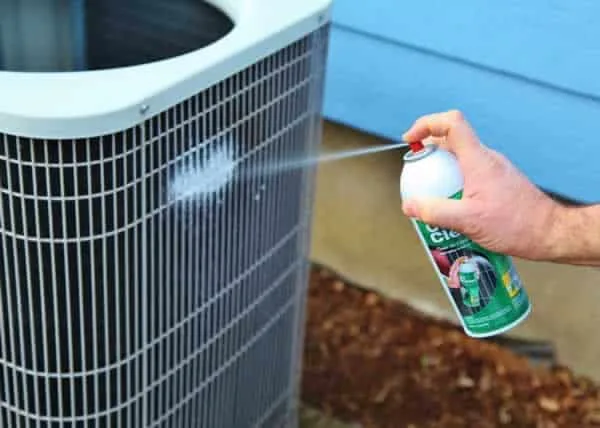
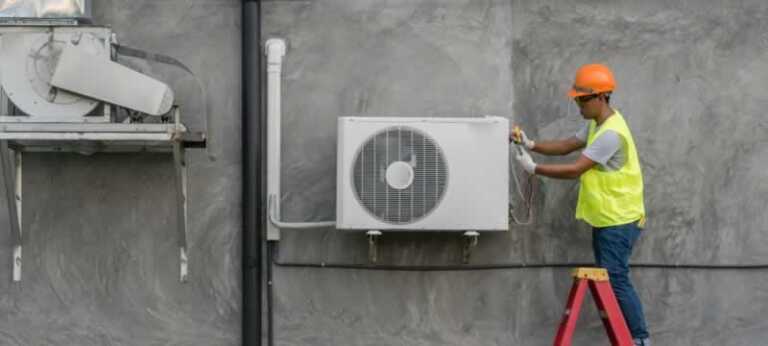
From dirty coils to old parts, the HVAC unit has a long list of reasons for not working as intended. Therefore, you might end up repairing the unit yourself. But considering its age, the problem might end up being too complicated for you to do yourself. Hence, you’ll need an expert to work on it instead. Furthermore, the older it gets, the more frequent its repairs are until professionals themselves might recommend you buy a new unit for you to save money and energy.
Takeaway
As a homeowner, it’s your responsibility to you to ensure everyone inside your home is comfortable. Fortunately, technology today has made that task much easier to accomplish, especially when it comes to heating. But be that as it may, HVAC units are still susceptible to various issues. And one glaring problem you might encounter in having one is poor energy efficiency. Considering HVAC units run on energy, you must learn its inefficiency signs before it starts eating a hole through your pocket.