
Choosing new flooring sounds simple at first. You find a color you like, pick a material, schedule installation, and enjoy your fresh new space. Easy, right?
Well, not exactly. Flooring is one of those home upgrades that looks like a design decision but behaves like a long-term lifestyle decision. The right floor has to handle your daily routine, your local climate, your pets, your kids, your cleaning habits, and yes, the occasional dropped coffee mug. That is why working with an experienced flooring company in Largo, FL or in your own local area can make such a big difference. A good professional will not just ask, “What color do you like?” They will ask how you actually live in the space.
Whether you are updating one room or planning a whole-home flooring project, the goal is not simply to choose the “best” material on paper. The goal is to choose the best floor for your home, your budget, and your everyday life.
Start With the Room, Not the Sample
Flooring samples are helpful, but they can also be a little misleading. A small plank or tile in your hand does not tell the full story of how that material will perform in a real room.
Before falling in love with a sample, think about where the flooring will go. A guest bedroom has very different needs from a kitchen, bathroom, entryway, or family room. A formal dining room may see occasional traffic, while a hallway near the garage might deal with shoes, sand, moisture, pet paws, and grocery bags all in the same afternoon.
For high-traffic areas, durability should be near the top of the list. Luxury vinyl plank, tile, and certain laminate products can perform well in active homes because they are designed to resist wear and are easier to clean. For quieter rooms, comfort and appearance may matter more. Bedrooms, offices, and sitting rooms often allow more flexibility because they do not take the same daily abuse.
It also helps to think about transitions between rooms. A floor that looks great in one isolated space may feel awkward if it clashes with nearby flooring. Open floor plans especially benefit from a consistent material or a carefully planned transition.
In short, do not choose flooring in a vacuum. Choose it in context.
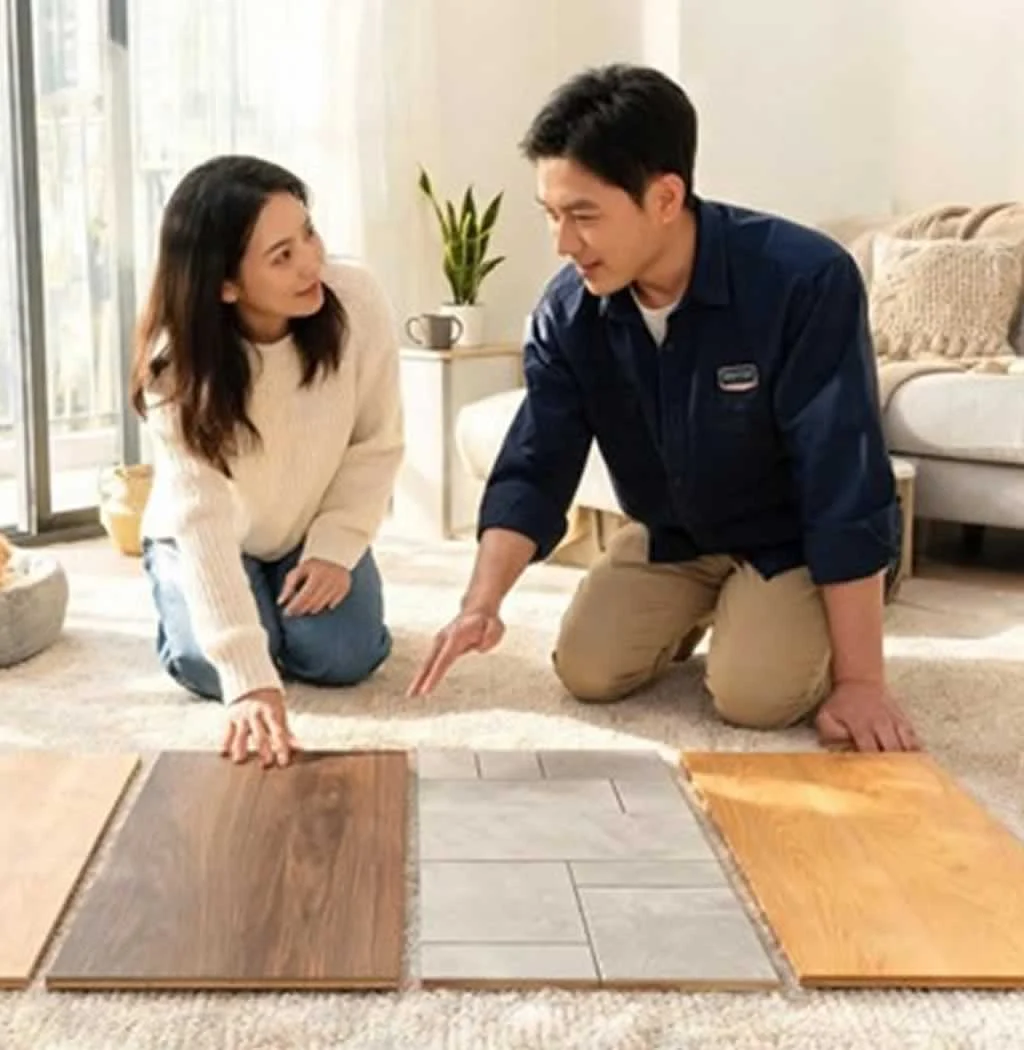
Match the Material to Your Daily Routine
Every flooring material has strengths, weaknesses, and personality. Yes, floors have personality. Some are low-maintenance and easygoing. Others are beautiful but a little high-maintenance, like a houseplant that demands filtered water and emotional support.
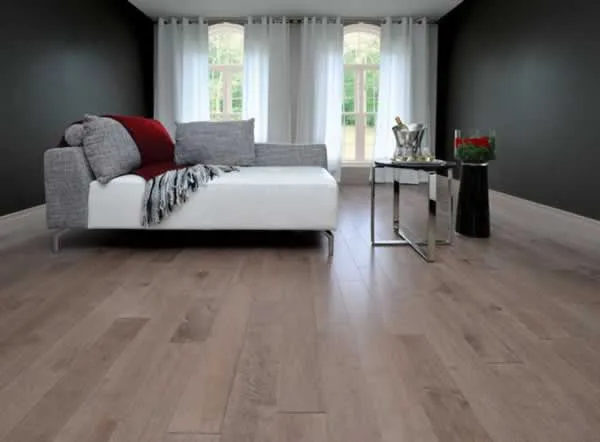
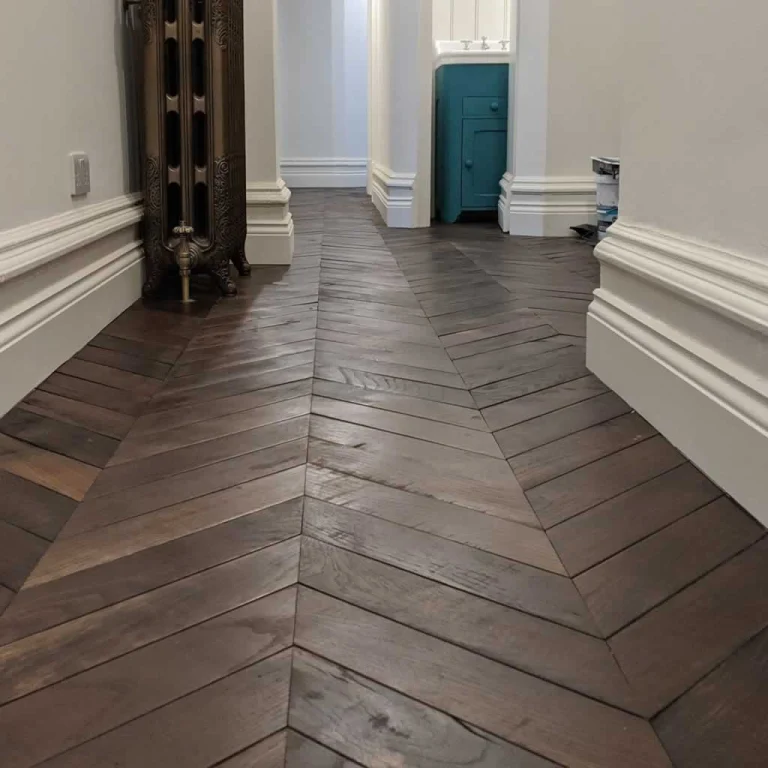
Hardwood, for example, is timeless, warm, and naturally elegant. It can add real character to a home and may increase appeal for future buyers. But hardwood also requires more attention than some other materials. It can be sensitive to moisture, scratches, and humidity changes. That does not mean it is a bad choice. It simply means it should be chosen thoughtfully.
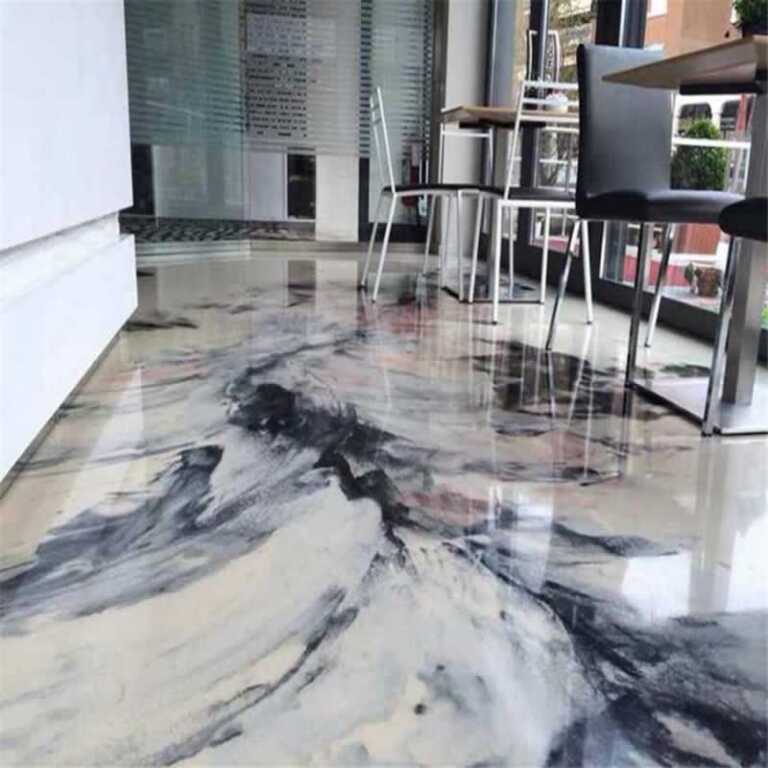
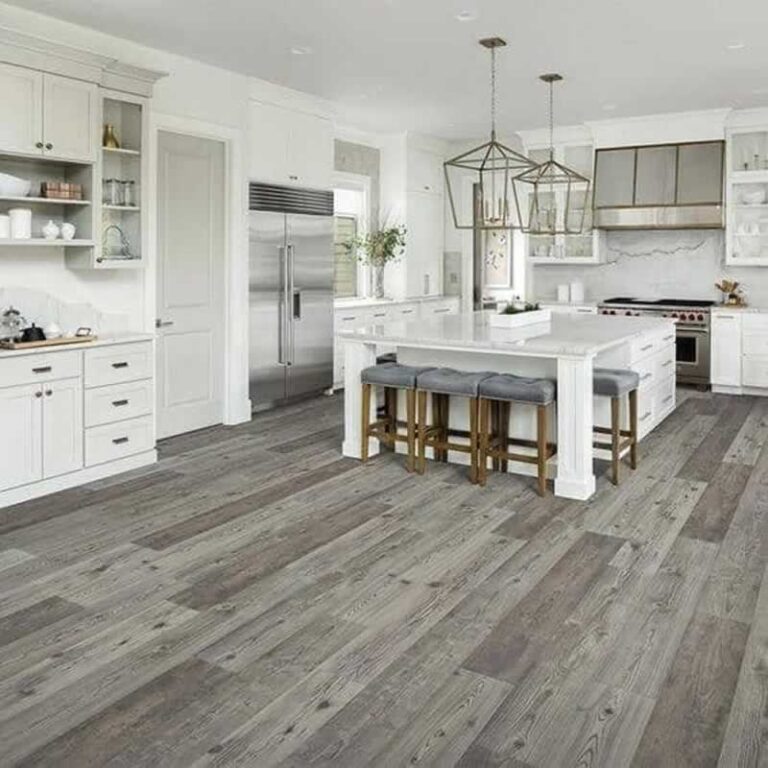
Luxury vinyl plank is popular for a reason. It can offer a wood-look appearance with strong resistance to moisture and daily wear. It is often a practical option for families, rental properties, and homes where easy cleaning matters. Tile is another durable choice, especially in kitchens, bathrooms, laundry rooms, and warm climates. It handles moisture well and can last for decades when installed correctly.
Laminate has also improved significantly over the years. Modern laminate can look attractive and perform well in many living areas, although it is important to choose products that match the moisture level and traffic demands of the room.
The best question is not, “Which flooring is the most popular?” The better question is, “Which flooring will still make sense two years from now after real life has happened on it?”
Think About Climate and Moisture
Climate matters more than many homeowners realize. In humid or coastal regions, flooring has to deal with moisture in the air, moisture from the ground, and the occasional wet footprint from outside. Even indoor spaces can be affected by seasonal humidity changes.
This is especially important for wood-based products. Hardwood and some laminates can expand or contract when exposed to moisture changes. That does not automatically rule them out, but it does mean installation conditions, acclimation, and subfloor preparation become very important.
Tile and luxury vinyl plank are often strong choices in areas where moisture is a concern. They are commonly used in kitchens, bathrooms, laundry rooms, and homes where indoor-outdoor living is part of daily life. Still, even moisture-resistant flooring is not magic. Water problems under the floor, uneven slabs, or poor installation can create issues no matter how good the product is.
That is where a qualified flooring contractor becomes valuable. Proper installation is not just about making the floor look straight on day one. It is about checking the surface underneath, addressing leveling problems, using the right materials, and making sure the floor is suited to the environment.
A beautiful floor installed over a bad subfloor is like putting a new roof on a house with a cracked foundation. It might look good briefly, but the problems will eventually introduce themselves.
Consider Maintenance Before You Commit
Some flooring looks amazing in a showroom but becomes frustrating when it meets everyday life. Before choosing a material, be honest about how much maintenance you are willing to do.
If you like simple cleaning routines, luxury vinyl plank and tile may be appealing. They are generally easy to sweep, vacuum, and mop with appropriate cleaning products. If you have pets, kids, or frequent guests, easy maintenance can be a major advantage.
Hardwood can be maintained beautifully, but it usually needs more care. You may need to use furniture pads, clean spills quickly, avoid harsh cleaners, and eventually refinish the surface depending on wear. For many homeowners, that tradeoff is worth it because the look and feel of real wood are hard to duplicate.
Carpet, while less common in some modern living spaces, still has a place in bedrooms and cozy areas. It offers softness and warmth but requires regular vacuuming and can be more vulnerable to stains and allergens.
The main point is simple: choose a floor that matches your cleaning personality. If you know you do not want to fuss over your floors, do not pick a material that expects constant attention. Your future self will thank you.
Budget for the Whole Project, Not Just the Flooring
One of the biggest mistakes homeowners make is budgeting only for the visible material. The floor itself is just one part of the project.
Depending on the condition of your home, you may also need removal of old flooring, subfloor repair, leveling, moisture mitigation, underlayment, baseboard work, transitions, trims, disposal, and installation labor. These details can affect both the final price and the long-term success of the project.
This is especially true with older homes or homes that have had previous flooring installed in layers. Sometimes the real story is not visible until the old material is removed. Uneven concrete, damaged subflooring, moisture stains, or poorly done previous repairs can all change the scope.
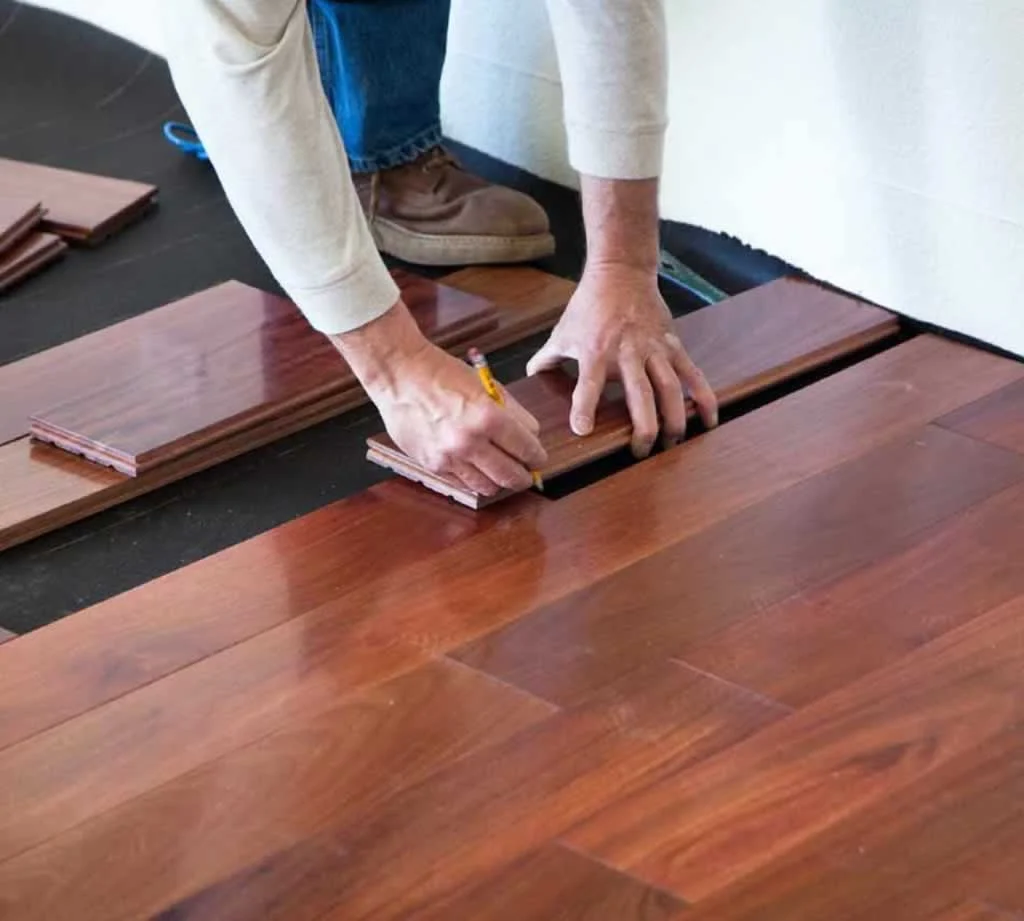
If you are considering hardwood floor installation, preparation becomes even more important. Hardwood needs the right conditions to perform well, including proper acclimation, moisture evaluation, and a stable surface. Skipping these steps can lead to gaps, cupping, squeaks, or other problems later.
A realistic flooring estimate should explain what is included, what might be extra, and what conditions could affect the final cost. Transparency matters. Nobody enjoys surprise expenses halfway through a project, especially when the furniture is already piled in the dining room.
Look Beyond Trends
Trends can be useful for inspiration, but they should not make the decision for you. A floor is a long-term feature, not a throw pillow. What looks stylish today should still feel livable years from now.
Neutral tones, natural wood looks, and clean tile designs tend to age better than extremely bold choices. That does not mean your floor has to be boring. It just means the more permanent the feature, the more carefully you should consider whether you will still like it later.
It is also wise to think about resale value. If you plan to sell your home in the near future, overly personal flooring choices may not appeal to every buyer. On the other hand, durable, attractive, professionally installed flooring can make a home feel cleaner, newer, and better cared for.
A good rule of thumb: choose something you love, but make sure it also makes sense for the home.
Conclusion: The Best Floor Is the One That Fits Real Life
Flooring is not just a surface you walk on. It affects how your home looks, how it feels, how easy it is to clean, and how well it handles daily life. The right choice depends on the room, the climate, your maintenance habits, your budget, and the quality of installation.
Before choosing a material, slow down and ask practical questions. Where will the floor go? How much traffic will it handle? Is moisture a concern? Do you have pets or kids? How much maintenance are you willing to do? What condition is the subfloor in?
When those questions guide the decision, flooring becomes less overwhelming. You are no longer chasing the “perfect” product. You are choosing a floor that fits your home in a real, practical, long-lasting way.
And that is the kind of upgrade that still feels good long after the installation crew has packed up and left.