Drywalling is essential to any home improvement project for building walls, ceilings, and even floors. Learning how to install and repair drywall is a skill that can provide you with tons of benefits. Drywall, or plasterboard or gypsum board, are crucial components of modern construction. It provides a durable and fire-resistant surface for interior walls and ceilings. Whether building a new home or repairing damaged walls, understanding how to install and repair drywall is essential.

With this knowledge, you can tackle your next drywalling project with confidence.
How to Build and Repair a Drywall
When building your drywall, the goal is to make it last for a while. Here’s what you should do to get started:
Prepare the Materials
Before beginning any construction project, gather all the necessary materials. When it comes to drywall installation and repair, prepare the following:
- Drywall sheets: Measure the dimensions of the area to know the number and size of drywall sheets required.
- Screws: Use appropriate screws designed for drywall Opt for corrosion-resistant screws for areas exposed to moisture.
- Joint compound: This covers joints and seams between drywall sheets.
- Joint tape: Reinforces the seams and prevents cracking.
- Drywall saw: For cutting drywall sheets to the desired size.
- Screw gun or drill: Secures the drywall sheets to the frame.
- T-square: Ensures accurate measurements and straight lines.
- Sandpaper: Used for smoothing and finishing the surface.
Build the Frame
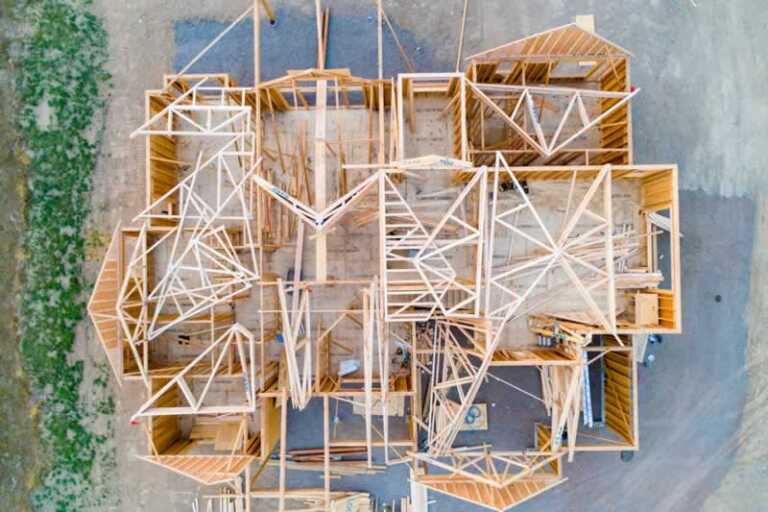
Before attaching the drywall, create a sturdy frame to support it. This step is essential for both new construction and repair work. Use a tape measure and level to mark the desired height and width of the wall. Then, cut the studs to the appropriate length and secure them horizontally along the top and bottom of the wall. Measure and cut vertical studs, spacing them 16 inches apart from center to center. Add blocking between the studs to provide additional support and prevent sagging. Don’t forget to use a level to ensure the studs are straight and plumb.
Screw Plasterboard
With the frame in place, it’s time to attach the plasterboard or drywall sheets. Start by measuring the wall’s dimensions and using a drywall saw to cut the sheets to the appropriate size. With the help of a partner, lift the drywall sheet and align it with the frame. Ensure that the edges are flush against adjacent sheets or corners. Use a screw gun or drill to insert screws into the drywall, spacing them 12 to 16 inches apart along the edges and every 16 inches in the field. Be careful not to overdrive the screws, as this can break the drywall’s paper surface. Sink the screws just below the surface.

Layout Electrical Outlet Placements
If you’re working on a wall requiring electrical outlets, plan their placement ahead of time. Use a tape measure and pencil to mark each outlet’s desired height and width. Carefully cut out the marked areas for the electrical boxes using a drywall saw. If unsure about the electrical work, it’s best to consult a licensed electrician for guidance.
Add Insulation
If you want to improve your walls’ energy efficiency and soundproofing, adding insulation is a crucial step. Select insulation material that suits your needs, such as fiberglass batts or foam boards. Then, measure the spaces between the studs and cut the insulation material to fit snugly. Use insulation supports or staple the insulation to the studs to hold it in place.
Finish the Wall
You need to learn how to patch screw holes in drywall to achieve a polished wall. For this task, you will need a trowel to apply joint compound over the seams and screw indentations. Smooth it out and let it dry. Once the joint compound is dry, use sandpaper to smooth the surface, removing imperfections. If necessary, apply additional layers of joint compound, allowing each coat to dry before sanding. After achieving a smooth surface, prime the wall and apply your desired paint color to finish the project.
Key Takeaways
Building and repairing drywall may seem daunting. But it doesn’t mean that it’s something you can’t do on your own. Once you get to know the basics, it can be a rewarding and achievable project. Remember to prioritize safety, precision, and attention to detail throughout the process. When things get too complicated for you, don’t hesitate to seek professional assistance if needed.
To summarize the key points covered in this guide:
- Before starting any drywall installation or repair project, gathering all necessary materials is crucial.
- Building a sturdy frame provides support and stability for the drywall.
- Properly securing the drywall sheets to the frame with screws ensures a durable and long-lasting installation.
- Planning the placement of electrical outlets is essential before finishing the wall.
- Adding insulation improves energy efficiency and soundproofing.
- The finishing touches, including joint compound, sanding, and painting, create a polished and professional-looking wall.