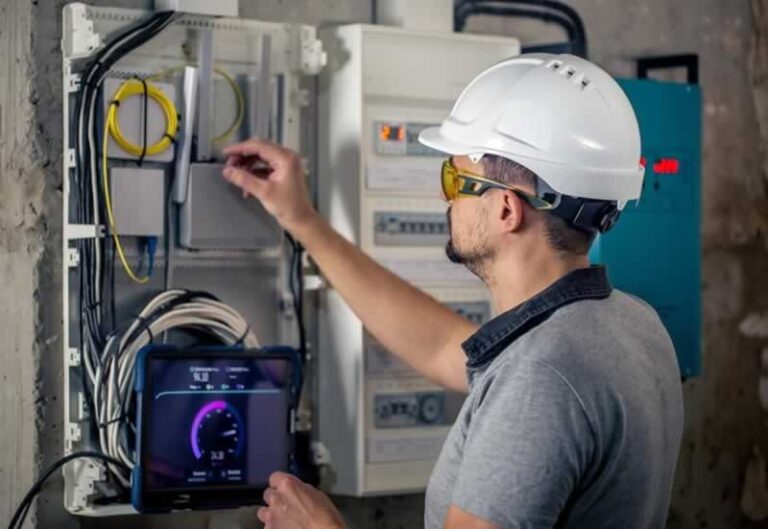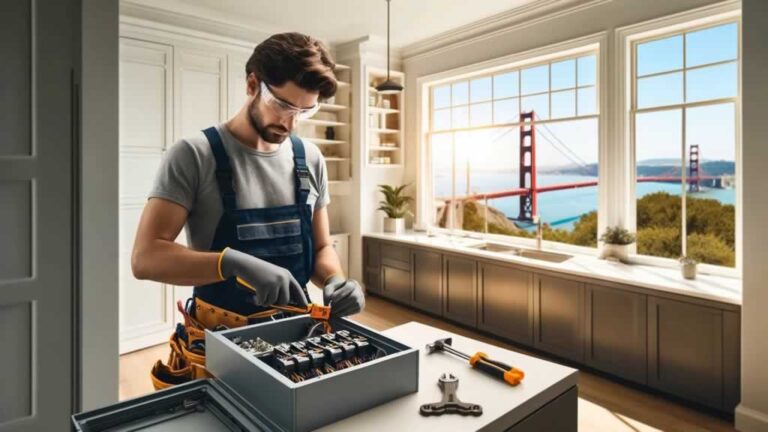
Repeated breaker trips, lights that dim when appliances start, or a faint burning odor near the panel are not normal—they’re warning signs that the system is overmatched and may be unsafe. Residential Electrical Services in Arlington can help identify and resolve these issues before they become serious hazards. Panels older than 20–30 years often can’t support today’s appliance-heavy homes, especially when extension cords and power strips are doing the work a modern panel should handle.
Breakers That Trip Often
Frequent trips point to overloaded circuits or wiring faults and usually mean the panel no longer matches household demand. Telltale companions include warm or discolored outlets and nuisance shutdowns when HVAC, microwaves, or space heaters run. A professional load calculation and panel upgrade restore capacity and reduce fire risk.

If this is happening in Arlington, schedule a full panel evaluation and capacity upgrade to align with modern code and usage.
Lights That Flicker or Dim
Dimming lights when your fridge or AC turns on suggests that your panel and circuits aren’t distributing power evenly. Intermittent flickering can also signal loose, corroded, or undersized connections. Residential electrical panel needs an upgrade when these issues persist, as they point to insufficient capacity for your home’s power demands. Upgrading to a higher-amperage, modern panel helps stabilize voltage and ensures reliable performance when multiple appliances run at once.
Heat, Odors, or Sparking at the Panel
Any warmth at the panel cover, a “hot” electrical smell, or visible sparks demands immediate attention. These symptoms often trace to loose lugs, failing breakers, or overheated bus bars. Shut the power off and call a licensed electrician—fast action can prevent equipment damage and potential fires.
For urgent electrical hazards in Arlington, request emergency service and a safety inspection right away.
Outdated or Problematic Panels
Legacy equipment—especially certain models from the mid‑20th century—has a history of breaker failures and non-tripping under overload. Panels from brands commonly cited in safety advisories, or units older than ~25 years, should be proactively assessed. Replacing these panels improves protection and brings systems in line with current standards.

Growing Electrical Demand
Kitchen remodels, EV chargers, hot tubs, home offices, and high‑efficiency HVAC add significant load. If new outlets, appliances, or additions caused more trips or dimming, the existing panel likely lacks spare capacity or dedicated circuits. A panel upgrade paired with circuit rebalancing supports new loads and reduces nuisance disruptions.
Planning renovations or adding major appliances in Arlington? Include a panel capacity assessment in the scope to avoid costly change orders later.
Age and Capacity Limits
Most panels serve reliably for 25–40 years, but earlier-era units often top out well below present-day needs. Red flags include rust, scorch marks, buzzing, warm breakers, and breakers that won’t reset firmly. Modernizing boosts safety, increases available amperage, and improves appliance performance.
Corrosion, Rust, or Physical Damage
Moisture intrusion and humidity corrode metal parts, pit bus bars, and degrade insulation. Rust streaks, flaking metal, or burn marks indicate rising resistance and heat. Skip DIY fixes—a professional inspection will determine whether targeted repairs are safe or whether replacement is the prudent route.
Unstable Power Around the House
Flicker under load, random outlet failures, and reliance on power strips all point to a panel and branch circuits operating at the edge. A right-sized, code-compliant panel reduces overheating risk, restores stable voltage, and supports future upgrades.
About Darby Electric Service:
With a strong reputation in Arlington and beyond, Darby Electric Service delivers top-tier electrical installations for residential, commercial, and industrial clients. The team is dedicated to professionalism, affordability, and community well-being.