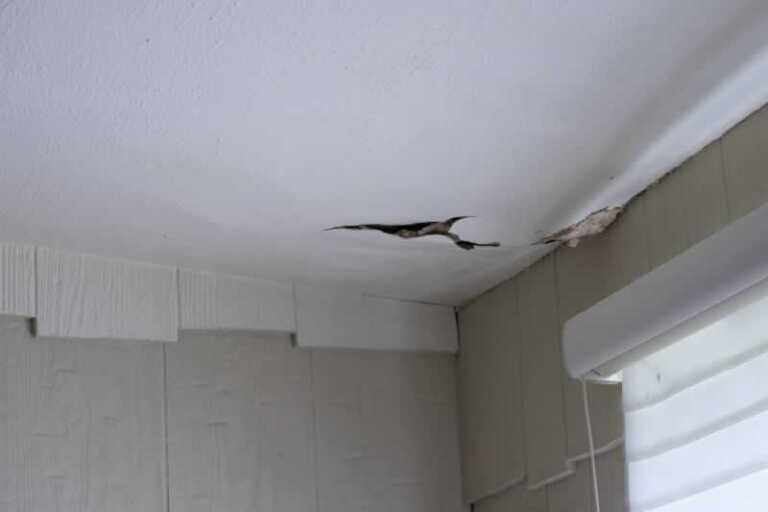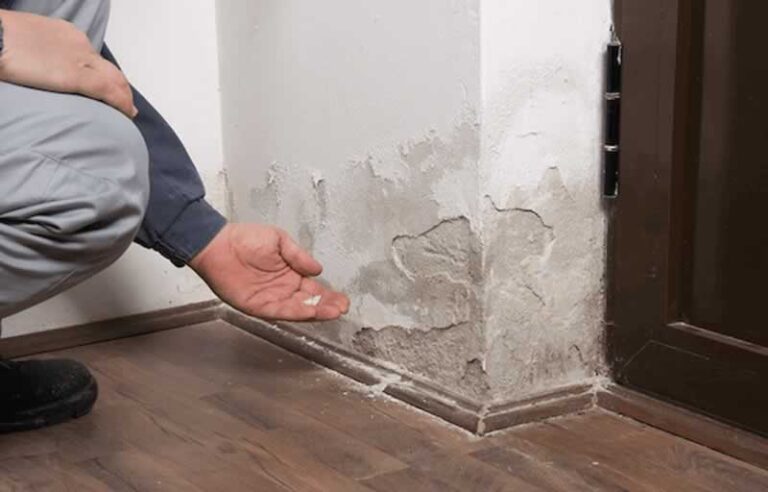
Imagine this scene: you open your door one fine day, only to be welcomed by peeling paint, splotches of dampness on the ceilings, an inexplicable trickle of water pooling on the floor and black, moldy patches spreading like wildfire over your house. A damp, musty smell greets your nose. This is what we know as the notorious water damage in your home and property. If you could visualize this scenario, hello. You’re at the right place to know how to fix this mess.

Now water damage manifests itself in visible and invisible forms, brought about by various reasons spanning internal plumbing leaks, overflowing sewerage systems, clogged vents, poorly ventilated spaces, to sudden externalities, such as floods and rainstorms. Often, damage to the roof also invites water into your home, which can be a big problem. So what next ? This guide will help you take measured steps.
Switch off your Water Supply!
Prevent the leak from getting worse by turning off the stop valve, the heart of your plumbing mechanism. You’ll find this in your kitchen or bathroom. An isolation valve on the hose or pipework of faucets, flushes, washing machines, etc. is turned clockwise to shut off the water supply to these appliances.
Safety First!
When the extent of water damage is tremendous, you should ensure safety of your loved ones and yourself. Wear protective equipment when re-entering a flooded property. Switch off the main electrical supply and gas pipeline to prevent mishaps.
Identify the source
Once you have shut off the water, it’s easier to isolate the origin of that pesky leak. It can have many possible sources; but different degrees of contaminated water pose different health risks to you. Water from a sanitary source, or slightly contaminated water from toilets or laundry are easily cleaned up without special equipment. However, highly contaminated “black” water has toxic compounds, oil/grease, and/or biomedical wastes, and remediation of such water damage is best handled by professional water restoration services.
Call Up Your Insurance Company
When there is a huge loss of property to floods and extraordinary events of water damage, it’s best to contact your insurance agency who will assess the damage in detail and determine if it is a loss covered by the policy. In case of damage due to floods, note that all home insurance policies do not cover flood damage.

Clean-up Water Damage
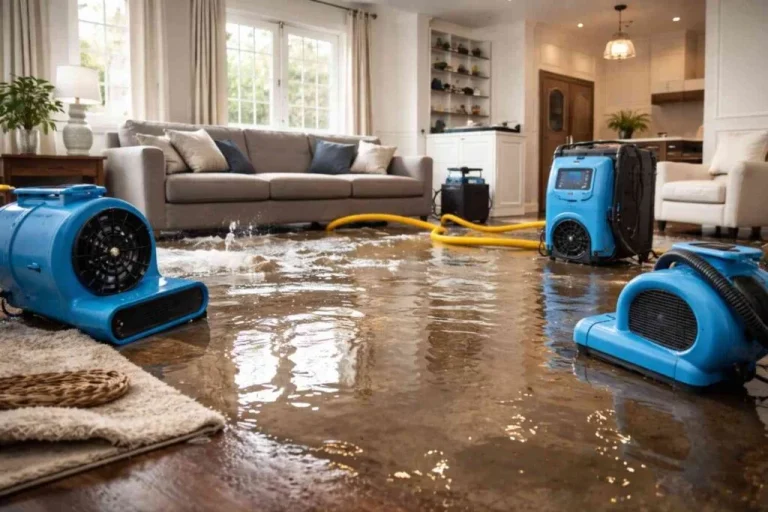
According to the experts from water damage company Anaheim, you should clear any and all of the debris, articles and personal belongings floating in the water. Remove soaked furniture, fabrics and upholstered items from the waterlogged area and set them to dry. Pump out excess water using a power vacuum in your home, and mop up smaller puddles of water.
Dry Out Your Property
It takes dampness, warmth and just around 24-48 hours for mold to start blooming throughout your house. More often than not, you may need to destroy mildewed, moldy items. To prevent mold and to remove last traces of water, air dry your home by opening the windows and ventilators. Speed up the drying process by using air conditioning, overhead fans, air movers or dehumidifiers in hard-to-reach nooks and crannies. Electrical contact points, appliances and sockets must be air-dried. Check your walls & drywall or wooden floorboards for water swelling. You may need to uproot them and replace them in case of water damage. Professional water damage reparation contractors also use dehumidifiers to draw the moisture out of enclosed areas.
Water damage can be potentially devastating, adding unwanted and unforeseen expenses to your budget. Greater degrees of water damage prove to be time consuming and exhausting. It’s always recommended to do a full-home check-up and maintenance once a year for preventive maintenance. Get hold of a water security system that monitor humidity levels in your property and alert you of potential leaks. If the water damage is beyond your control, you should consider hiring reputed water restoration services which are located right near your home or office location. Time is of essence: do not wait!