After experiencing fire or mold damage, the interior of your home may require extensive repairs to restore it to a livable condition. Whether you’re looking to rebuild after a disaster or upgrade your living space, understanding the essential steps in interior remodeling services is crucial. Flooring, cabinets, and finishes are some of the most important elements to address during the remodeling process to ensure long-term durability and aesthetic appeal. Here’s what to keep in mind when choosing materials and making design decisions after significant damage.

1. Choosing the Right Flooring
The flooring you choose after fire or mold damage plays a critical role in the long-term health and functionality of your home. Mold, for instance, can easily affect carpet, wood, and other porous materials, making it essential to choose resistant materials for the restoration.
- Hardwood and Engineered Wood: While natural hardwood is beautiful, it can warp or rot after exposure to water and mold. Engineered wood offers better resilience because it’s more moisture-resistant, making it a better option for areas that are prone to damage.
- Tile: Ceramic and porcelain tiles are ideal for high-moisture areas. They’re non-porous and easy to clean, which helps prevent the growth of mold and bacteria. They also offer a variety of design options to fit your style.
- Vinyl and Laminate: These materials are highly durable, water-resistant, and easy to maintain. Both options have advanced significantly in terms of design, mimicking the look of real wood or stone, while being far more resistant to fire and mold damage.
- Carpet: While carpet can add warmth and comfort, it’s best to avoid it in areas that have experienced mold damage, as it can trap moisture and become a breeding ground for mold. If you opt for carpet, ensure it’s a high-quality, mold-resistant variety.
2. Cabinets: Materials and Durability
Cabinets are another critical aspect of the remodeling process after a fire or mold event. Fire can weaken wood and cause structural issues, while mold can deteriorate surfaces over time. Here’s what to consider when choosing cabinetry materials:
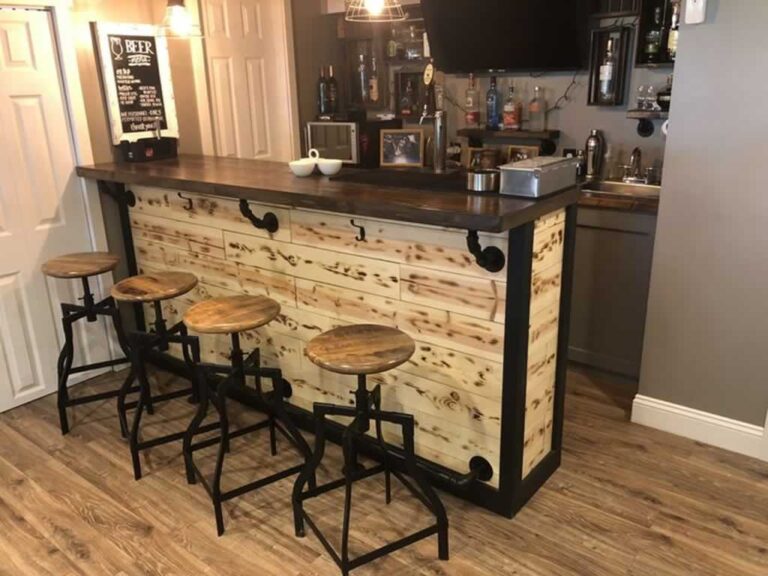
- Solid Wood: While solid wood cabinets are a classic choice, they can absorb moisture, making them more susceptible to mold. However, using high-quality finishes can help protect the wood from water damage. Opt for hardwoods such as maple, oak, or cherry, which tend to be more durable and less prone to warping.
- Plywood and MDF (Medium-Density Fiberboard): These materials offer great strength and moisture resistance, making them ideal for kitchens, bathrooms, or basements that are prone to damp conditions. Plywood is less likely to swell when exposed to moisture, while MDF is often used for painted finishes and provides a smooth, uniform surface.
- Custom Cabinetry: Custom cabinets are more likely to withstand the rigors of mold and fire damage due to their high-quality materials and precise construction. Choosing cabinets with closed backs and sealed finishes can help protect against water damage in the future.
3. Choosing Finishes and Paints
When it comes to finishes and paints, durability and mold resistance are top priorities. The right finishes can not only enhance the look of your home but also protect surfaces from future damage.
- Mold-Resistant Paints: After mold damage, using mold-resistant paints is essential. These paints contain antimicrobial agents that prevent mold growth, especially in areas like bathrooms and kitchens, where moisture levels are higher.
- High-Gloss or Semi-Gloss Finishes: These finishes are not only easy to clean but also offer better protection against water damage. The sheen helps create a barrier against moisture, making them ideal for high-traffic areas or spaces exposed to fire or mold.
- Varnish and Polyurethane: When applying a finish to wood cabinets or furniture, varnishes or polyurethane coatings provide a tough, water-resistant surface. This ensures that the wood remains protected from future moisture, preventing the potential for mold growth.

4. Addressing Structural Repairs Before Remodeling
Before diving into the aesthetics of your remodel, make sure the structural integrity of your home is intact. This includes addressing issues with framing, insulation, and drywall that may have been weakened by mold or fire damage. Ensuring that the foundation and structure are stable is crucial before starting any work on flooring, cabinetry, or finishes.
5. Consider Air Quality and Ventilation
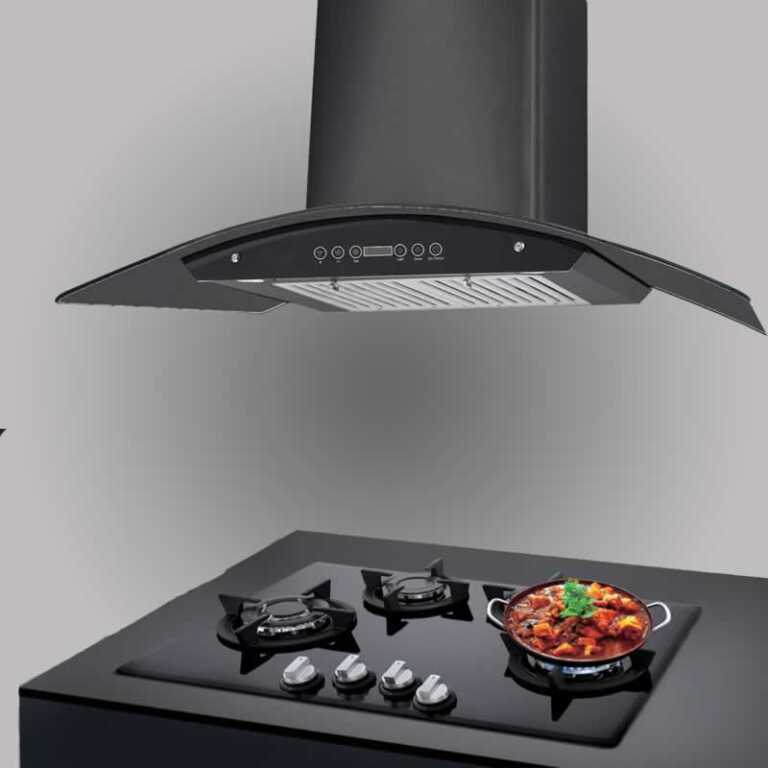
In addition to selecting materials for your interior remodeling, don’t forget about air quality. Mold spores or lingering smoke odors can affect the air quality in your home. Consider upgrading your ventilation system or installing air purifiers to ensure a healthier environment. This is particularly important if you’ve dealt with fire or mold damage, as these issues can have lasting effects on indoor air quality.
6. Consult a Professional Remodeler
Rebuilding after fire or mold damage requires the expertise of a professional remodeler to ensure that the work is done correctly. A professional can help you choose the right materials, provide advice on structural repairs, and guarantee that the job is done to the highest standards.
Key Takeaways:
- Flooring: Opt for materials like vinyl, laminate, engineered wood, or tile for water and mold resistance.
- Cabinets: Choose durable, moisture-resistant materials such as plywood, MDF, or solid wood with high-quality finishes.
- Finishes and Paint: Use mold-resistant paints and water-resistant finishes like polyurethane to protect surfaces.
- Structural Repairs: Address any underlying structural damage before remodeling the interior.
- Air Quality: Improve air quality and ventilation to prevent lingering mold or smoke issues.
- Professional Help: Work with a professional remodeler to ensure the project is completed safely and effectively.
Choosing the right materials and finishes after fire or mold damage is essential for restoring your home to its original state. By considering these tips and consulting professionals, you can ensure that your remodeling project is both aesthetically pleasing and durable for years to come.