
A reliable vehicle is rarely the result of one dramatic repair. It is usually the result of consistent care, accurate diagnosis, and replacement parts that actually match the engine’s needs. Owners often notice reliability only when it disappears: a warning light appears, the idle becomes uneven, the vehicle hesitates, fuel economy drops, or the engine takes longer to start. By that point, a small system weakness may already be pulling several other components into the story.
For diesel vehicles, commercial equipment, older engines, and high-mileage cars, this kind of planning becomes especially important. Fuel injectors, pumps, electronic control modules, filters, sensors, batteries, cooling components, and wiring all influence how confidently an engine performs. The best repair decisions are not only about replacing what failed. They are about understanding why it failed, what else may be affected, and whether the replacement part is correct for the application.
Why Vehicle Condition Depends on More Than Appearance
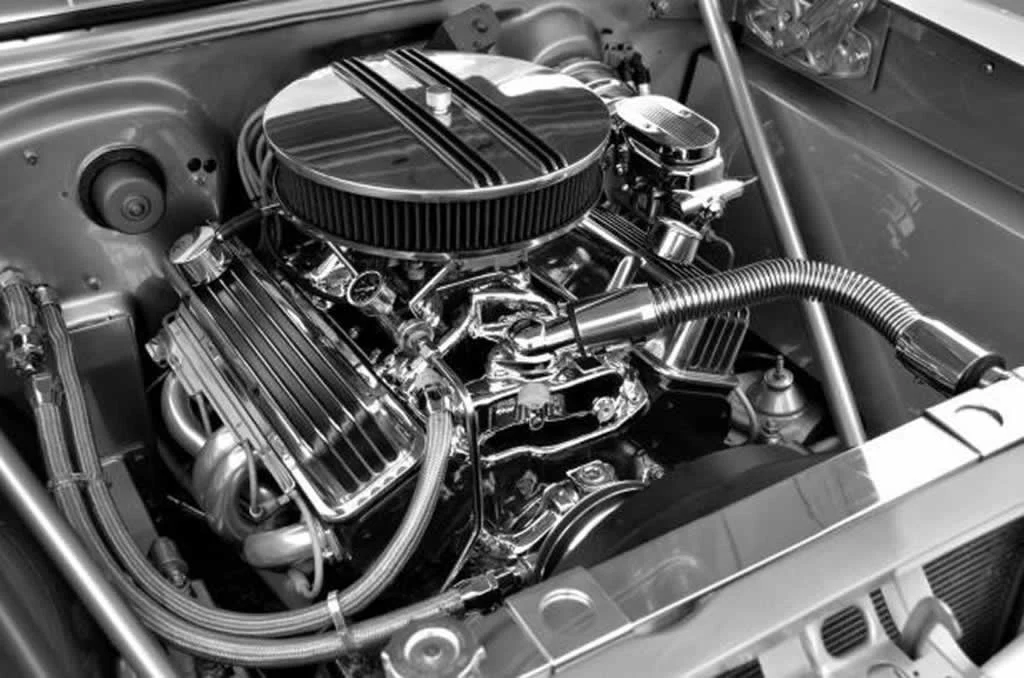
Many owners think of vehicle condition in terms of paint, interior cleanliness, tires, and visible wear. Those details matter, but a vehicle that looks polished can still hide serious mechanical neglect. A weak fuel system, unstable battery, poor coolant condition, dirty filters, or failing sensor can quickly turn a clean-looking vehicle into an unreliable one. True condition lives under the surface, where systems work quietly until something breaks rhythm.
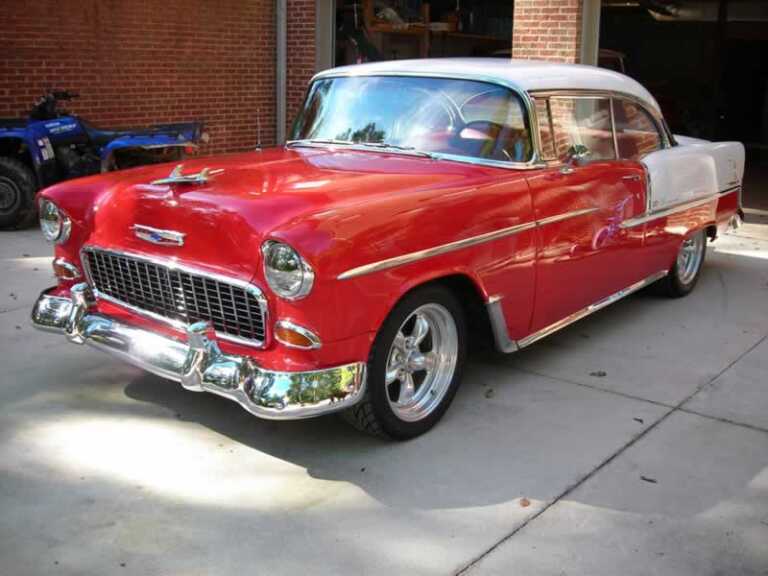
Keeping a vehicle in strong condition means watching both visible and invisible systems. A helpful guide on how to keep a vehicle in mint condition supports that broader mindset. Good care includes regular inspections, timely maintenance, clean fluids, careful driving habits, and early response to warning signs. The vehicle does not wait politely forever. It gives clues first, then invoices later.
Why Accurate Parts Sourcing Matters
When an engine repair involves fuel system parts, electronic modules, pumps, injectors, or diesel components, the source of the replacement part can influence the success of the entire job. Repair shops and owners often need components that match the exact engine, application, workload, and repair goal rather than broad assumptions. In that context, Goldfarb Inc can support practical repair planning by helping customers focus on correct fitment, specialized engine parts, and dependable replacement options. Choosing the right component helps reduce repeat repairs, protects diagnostic time, and gives the vehicle a better chance of returning to stable operation.
The Check Engine Light Is a Conversation Starter
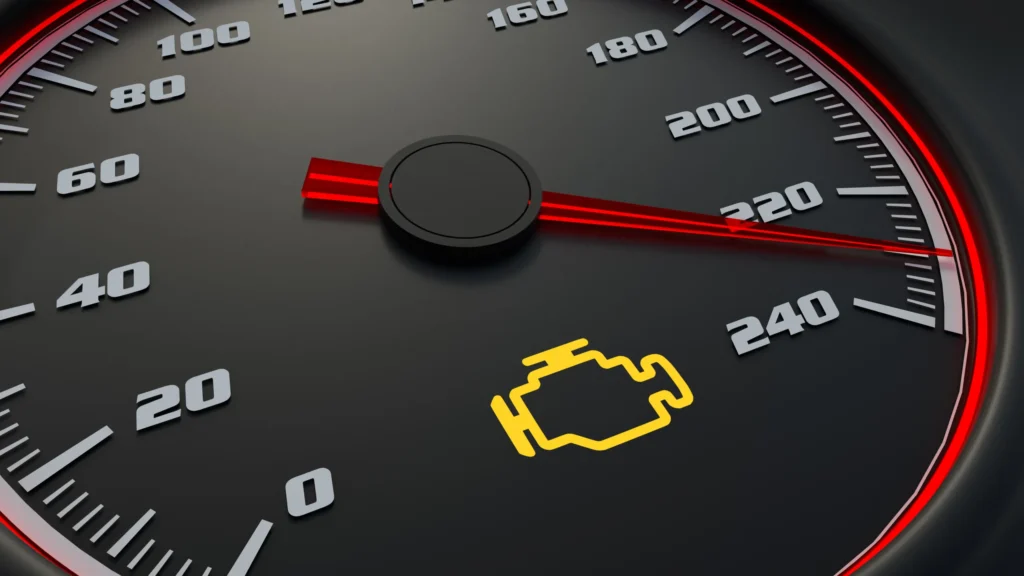
A check engine light should not be treated as an immediate disaster, but it should also never be ignored. It means the vehicle has detected a condition that deserves attention. The cause may be simple, such as a loose fuel cap, or more involved, such as sensor failure, misfire activity, emissions issues, fuel delivery problems, or control system faults. The important point is that the light is not a final diagnosis. It is an invitation to investigate.
A recent discussion of common check engine issues and repair costs shows why drivers should take warning lights seriously before problems grow more expensive. Even when a vehicle continues to drive normally, a stored fault can point toward a system that is beginning to drift out of range. Early diagnosis can prevent one issue from turning into a mechanical domino show.
Why Codes Are Clues, Not Verdicts
Diagnostic trouble codes are useful, but they should not be treated as automatic parts orders. A code related to fuel trim may involve injectors, air leaks, sensors, fuel pressure, exhaust leaks, or wiring. A misfire code may involve ignition, compression, injector behavior, fuel quality, or control signals. A module communication fault may point toward the module, but it may also involve voltage, grounds, connectors, or wiring damage.
This is why strong repair begins with testing. A technician may review live data, check voltage, inspect connectors, test fuel pressure, examine filters, evaluate injector operation, or verify sensor readings. The goal is to identify the actual cause instead of replacing the component that happens to be standing closest to the warning light.
Fuel System Problems Often Hide in Plain Sight
Fuel delivery problems can create symptoms that feel like many other engine issues. A dirty injector may cause rough idle or hesitation. A weak pump may reduce power under load. A clogged filter may make the engine feel tired. Contaminated diesel fuel may damage injectors or pumps. Because these symptoms overlap with electrical and mechanical faults, fuel system diagnosis requires patience.
Owners should pay attention to hard starting, smoke, reduced fuel economy, uneven idle, hesitation, fuel smell, or power loss. These signs are especially important in vehicles used for towing, hauling, fleet work, construction, farming, or long-distance driving. In those situations, downtime has a real cost. A small fuel system issue can interrupt schedules and turn a manageable repair into a larger operational problem.
Brand Section: Specialized Engine Parts Support
Goldfarb Inc. operates in a repair environment where part accuracy matters. Diesel owners, technicians, fleet operators, and equipment users often need components that fit specific engines and applications. A part that looks similar may still be wrong because engine model, year, calibration, fuel system design, electronic controls, emissions setup, and workload can all affect compatibility.
This kind of support is valuable because engine repairs often happen under pressure. A truck may be down, a machine may be waiting, or a customer may need the vehicle returned quickly. Clear access to relevant engine parts helps make the repair process more controlled. In practical terms, good sourcing turns uncertainty into a shorter path between diagnosis and installation.
Correct Fitment Protects the Repair Investment
Correct fitment is one of the most important parts of engine repair. A wrong injector, pump, ECM, sensor, or fuel system component may install physically but still fail to perform properly. The result can be rough running, warning lights, hard starts, poor fuel economy, leaks, reduced power, or repeat failure. In some cases, the wrong component can create new damage.
Before ordering parts, owners and technicians should confirm part numbers, engine application, system requirements, and any programming or calibration needs. The surrounding system should also be inspected. A replacement injector installed into a contaminated fuel system may fail early. A replacement ECM installed into a vehicle with poor grounds may develop problems again. Parts do their best work when the system around them is ready.
Maintenance Habits That Reduce Future Problems
Preventive maintenance does not need to be complicated. Replace filters on schedule, use quality fuel, monitor battery health, inspect belts and hoses, respond to leaks quickly, and pay attention to warning lights. For diesel engines, fuel cleanliness is especially important because injectors and pumps often operate with tight tolerances. Water, dirt, or poor filtration can turn into expensive damage.
Service records also matter. They help technicians understand what has already been repaired, what may be overdue, and which systems should be inspected first. A well-documented vehicle is easier to diagnose and often easier to trust. Maintenance history is not paperwork clutter; it is the engine’s diary, minus the melodrama.
Conclusion
Vehicle reliability depends on accurate diagnosis, consistent maintenance, and parts that match the engine’s real needs. The check engine light, rough idle, hard starting, smoke, hesitation, or poor fuel economy should all be treated as signals worth investigating. Ignoring early clues often allows one problem to spread into several systems.
For owners, repair shops, and equipment operators, the strongest approach is simple: inspect early, test carefully, source accurately, and maintain the systems that support dependable operation. When fuel delivery, electrical health, cooling, sensors, and replacement parts work together, the engine is far more likely to remain ready for the road, the jobsite, or the next long mile.