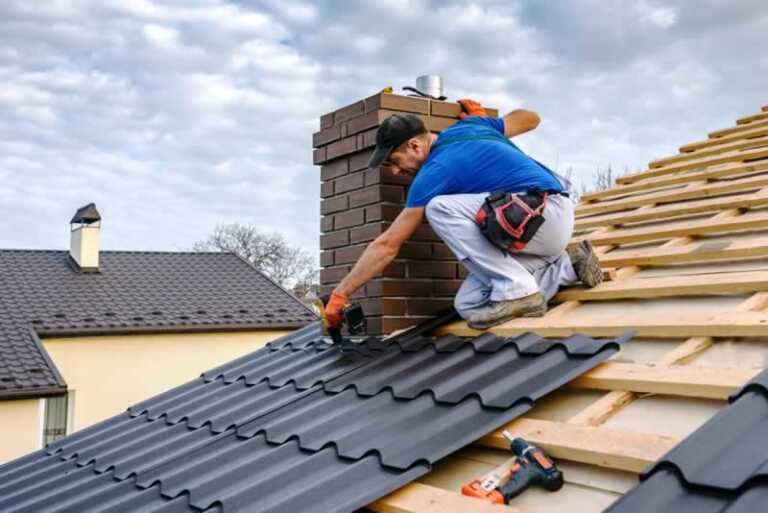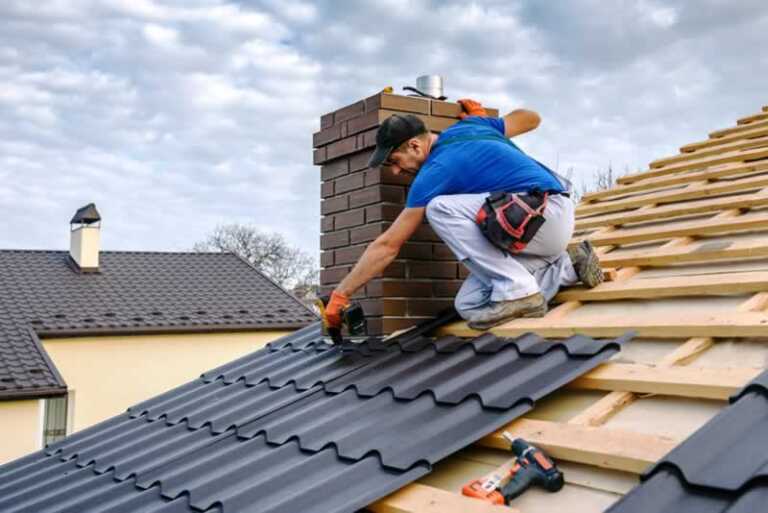
Occupational health and safety concerns need to be taken seriously by all employers. This is especially true when your workers often work under conditions that carry higher levels of occupational risk. Working on rooftops is one example. And all roofing companies need to ensure that their employees are working safely at all times. Unsafe working conditions on rooftops lead to bad outcomes. When you are not proactive with roof safety, your employees are far more likely to fall or injure themselves. This can not only lead to life-changing injuries for your crew, but it can also damage the reputation of your company. This is why it is essential to get roof safety right.

Let’s look at some things employers need to be aware of to ensure that they are approaching roof safety in the right way.
Use A Roof Walkway System
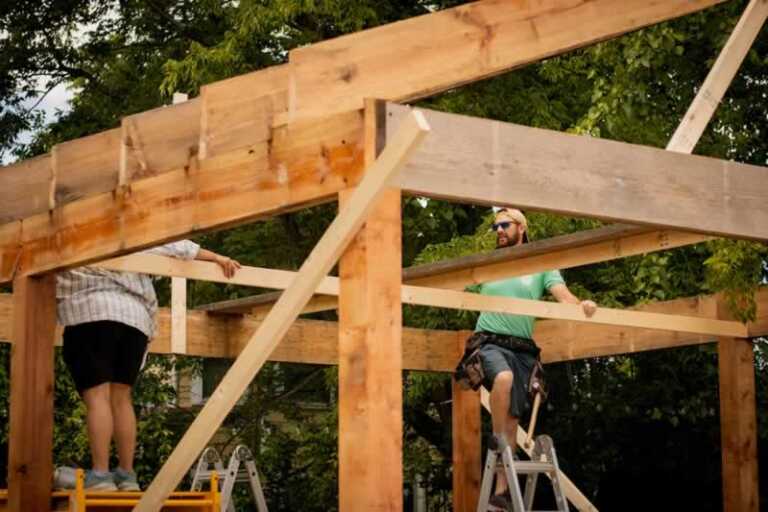
Constructing a proper roof walkway system provides your workers with the support they need to work effectively and safely from a height. Setting these systems up properly can take time and a bit of extra expense, but they are worth the investment. In many cases, they may also be legally required. These roof walkway systems can include scaffolding and other structural supports that add stability and give your workers room to move around efficiently while on a rooftop.
Provide The Right Equipment
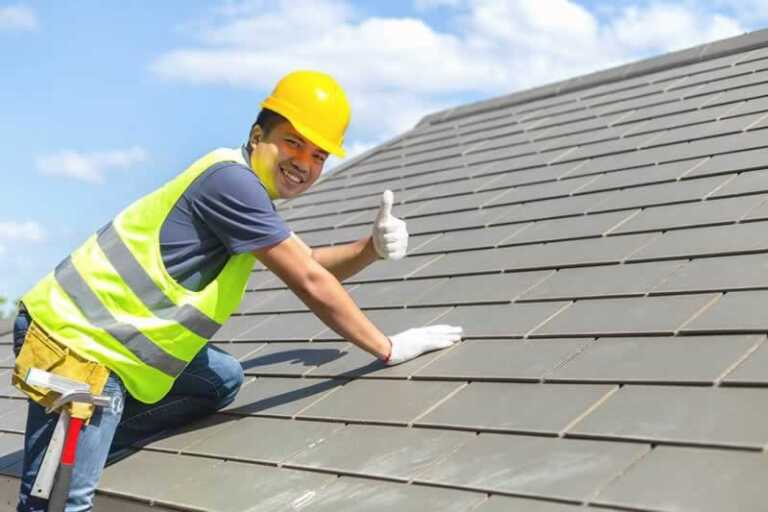
Prevention is essential when it comes to roof safety. Employers need to make sure that their workers have the right tools to stay safe. Roof safety requires additional equipment that is specifically designed for keeping workers securely on top of a building. This type of equipment can include harnesses, clamps, and other types of restraints that will help to prevent falls. Employees must also use their regular personal protective equipment while working on a roof. This includes things like work boots, safety glasses, hard hats, and the like.
Ensure Your Workers Have The Right Training
Getting your team on board with roof safety is another essential point. Make sure that you set the culture from the top in your organisation when it comes to occupational health and safety in general. For keeping your rooftop workers safe, be sure to understand what your employees know about roof safety and take steps to bring everyone onto the same page. There are many courses and certifications that directly relate to roof safety. Many of these will be legally required in your jurisdiction, though it is always a good idea to have more training rather than too little.

Keep Communication Open
Having regular safety meetings with your team to identify best practices and continually improve safety in your company is important. During these meetings, employers can learn about the safety challenges that their workers are facing. This way, they will be able to take the steps to correct gaps in safety coverage. When it comes to communication about safety, posting signage around the worksite near potential hazards is important. Especially if you have a larger company where work crews may not regularly converse with the whole company, hazard signage will point out dangerous areas of a worksite that may have been noticed by one of your workers.
Protect Your Roof Workers
These are some great ways to get started on boosting roof safety in your company. If your workers are regularly employed to work on rooftops, then there are regulations and legal considerations that you must follow to certify their safety. But the points outlined here will help you install a better culture of safety in your organisation.