
Every crafter has stood in the middle of their own disaster and thought: okay, how did this happen.
You start with good intentions. One project, then another, a few things left out because you’ll definitely use them again soon — and then somewhere along the way the scissors vanish, there’s paper on every surface, and the one thing you actually need right now is buried under approximately everything else. The weird part is how gradual it is. You almost don’t notice until one day you really, truly notice.
Here’s the thing though: you don’t have to tear the whole setup apart to fix it. Sometimes one change in the right place shifts how the whole room feels. And honestly? Start with whatever’s been quietly driving you the most insane. That drawer where things go in and simply never come back out in any findable way. The shelf that started as temporary overflow in 2022 and has just… stayed. Those are the spots worth fixing first because they’re the ones that slow you down mid-project, right when you have momentum and can least afford to lose it.
I’ve become pretty devoted to being able to see what I own. Clear bins, open containers, those little drawer organizers that let you glance in and actually locate a thing. The number of times I’ve bought duplicate supplies because I had no idea I already had them is genuinely embarrassing. Three bottles of Mod Podge. All purchased with complete confidence that I was out. I was not out.
Clear storage sounds boring but it solves a real problem — you stop spending half your creative time just searching.
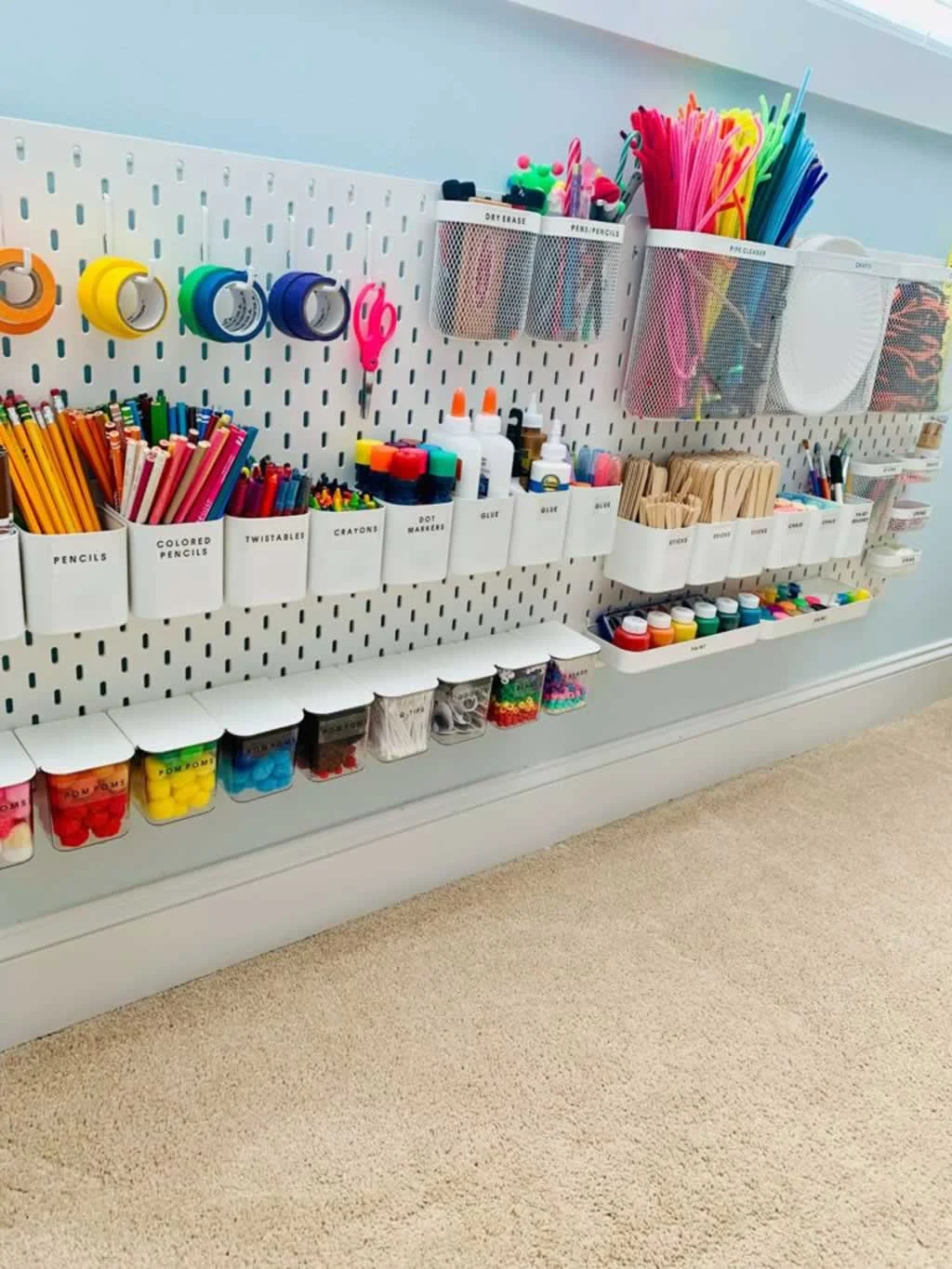
Build storage that fits your brain, not someone else’s aesthetic
Here’s the thing about those gorgeous craft room tours online — they look amazing and they work great for whoever organized them. They might be completely useless for how you think.
Some people sort by color. Some by project type. Some by how recently they used something. There’s no wrong answer, as long as you can actually find what you’re looking for without having to think too hard.
Clear bins are useful not because they look nice (though they do) but because you can see what’s inside without opening everything. That also helps you stop buying supplies you already own. If you can’t see it, you forget it exists. It’s that simple.
The paper organization is its own beast
Especially if you scrapbook. Especially then.
The way collections build up makes complete sense in the moment. You find a print you love. You grab a few coordinating sheets. There’s a seasonal pack on sale and you know you’ll use it eventually, so why not. Totally reasonable, every single time. And then at some point you have a genuinely large amount of paper, more than you’d registered, stored in a system that worked fine when there was less of it but now requires essentially excavating the whole pile to find one specific sheet you know you have somewhere.
How you sort it depends on how your brain actually works — and I mean that literally, not as a cop-out non-answer. Some people need to pull everything in a color family at once, so sorting by color is the only thing that makes sense to them. Some people think in collections, where the papers already coordinate and breaking them apart defeats the whole point. Some people sort by holiday, pattern type, some combination that probably only makes complete sense to them personally. All of these are correct.
The system that works is the one that matches how you actually search for things when you’re mid-project and need something fast. Not the one that photographs well.
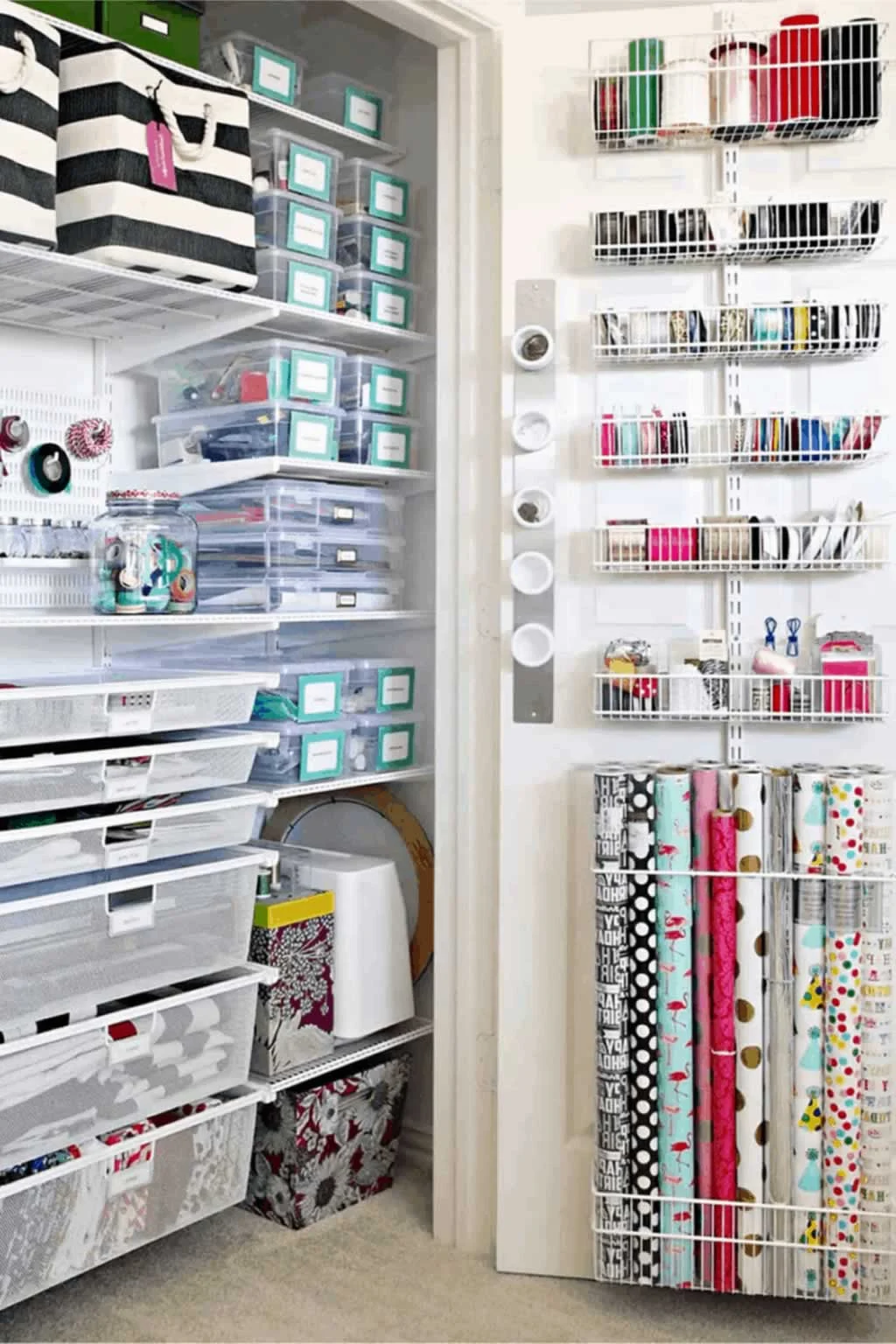
For a lot of scrapbookers, keeping collections together is genuinely the move. Patterned papers and their coordinating cardstock are just easier to use when they stay grouped, so a dedicated paper organization setup helps drastically. It keeps things protected and browsable without requiring you to reconstruct the whole system every time you start something new. A system that makes sure the scrapbooking papers you love are organized instead of slowly disappearing into a forgotten pile at the bottom of a stack is the goal.
One thing that seems to hold true across basically every approach: keep paper vertical. Flat horizontal stacks are where individual sheets go to die. Stand it upright — anything you can flip through rather than dig through — and you can find what you’re looking for without dismantling everything around it.
It also protects the paper better, which matters more than it sounds. Humidity, heat, being crammed too tightly — these things slowly work on materials in ways you don’t notice until you pull something out for a project and it’s not quite right anymore.
Work with the space you actually have
Most people aren’t crafting in a dedicated room with perfect lighting and unlimited shelving. They’re in a corner of the bedroom, at a desk that also does three other jobs, or at a table that gets cleared off whenever company comes. That’s completely fine.
Space size matters way less than whether the space actually functions for how you work.
Going vertical helps here more than anything; it adds storage without eating floor space. Shelves, rolling carts, pegboards, anything that lets you bring more supplies into a smaller footprint while keeping them reachable. If you have wall space you’re not currently using, that’s usually the first place worth looking.
Lighting is the thing people tolerate being bad for way, way too long. An adjustable task lamp sounds minor. It isn’t. It changes how comfortable detailed work feels, how long you can go before your eyes start protesting, and just generally how pleasant the whole experience is. If yours is bad, fix it sooner than you think you need to.
Don’t organize yourself into a dead end
When you’re setting things up, leave room. Intentionally, deliberately, leave some empty space.
Because you will get more supplies. New projects bring new materials and that’s not a flaw in your character, it’s just how this works. If every shelf is packed perfectly to capacity, the first time you bring something new home the whole system crumbles.
A little breathing room keeps everything from becoming yet another thing to constantly manage.
Get rid of your crusty old crap
Got a dried out ink pad? A bunch of stickers that say “Congrats Grad 2022!” – we all know you’re not using those ever again. Purge, my friend. Purge!
At some point, throwing out things you know you’ll never use again is less about being wasteful and more about being intentional with the space you have, so you can actually enjoy the hobby and projects you’ve set out to create.
And, you don’t even have to trash it. Find yourself an arts and crafts donation location in your city and let someone else love the things you love a little less, now.
The real secret to an ultra-functional craft space?
It’s not about the room looking a certain way. It’s not about having a setup worth putting on Instagram.
It’s about being able to sit down and start making something without the first twenty minutes disappearing into locating your supplies.
When things are easy to find, you can actually enjoy creating, instead of investigating the dark corners of a closet looking for that one thing you saw six months ago. And sometimes that’s the difference between actually starting a project and one that never gets started in the first place.

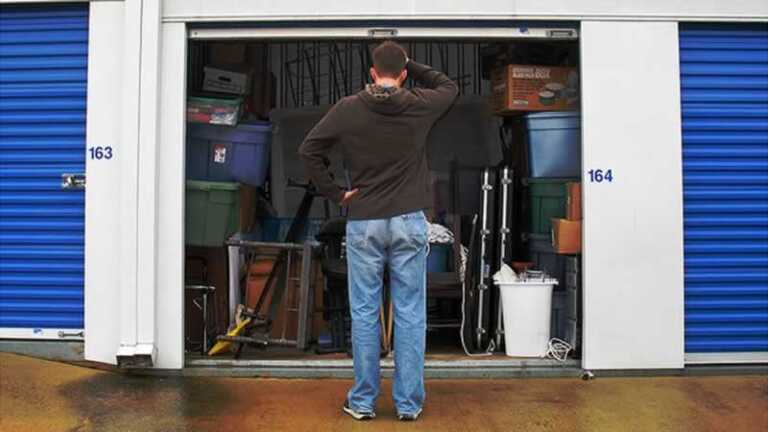

I completely relate to the chaos that can accumulate in a craft room! It’s so easy to lose track of supplies amidst all the creativity. Your suggestion about designating specific areas for different materials really resonates with me. I think it might be the key to maintaining some semblance of order while still being inspired to create.