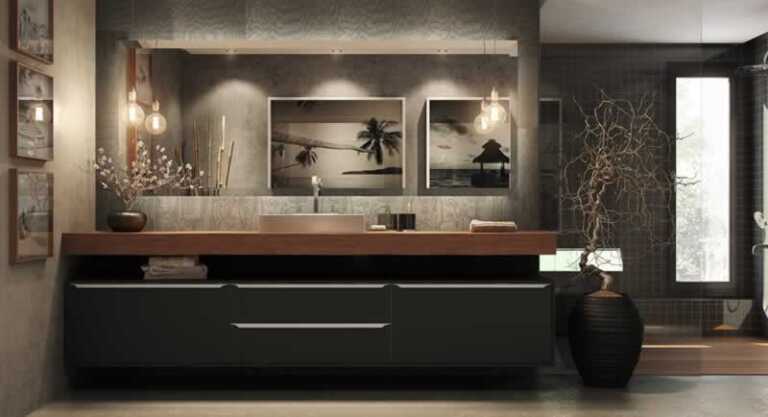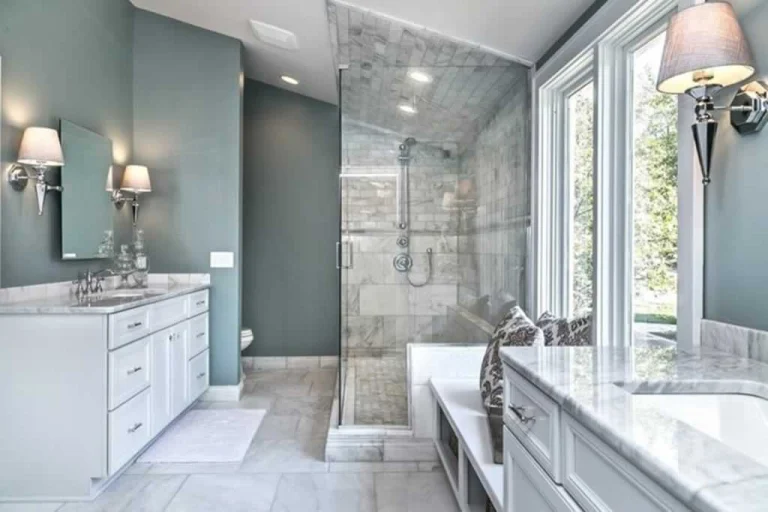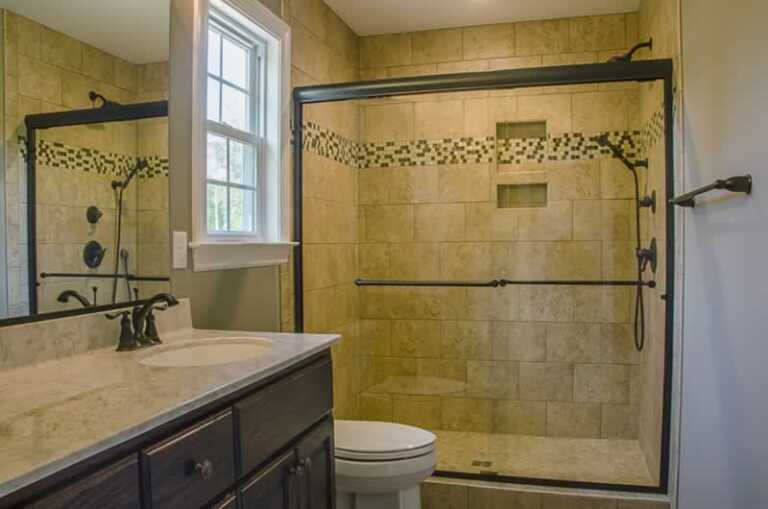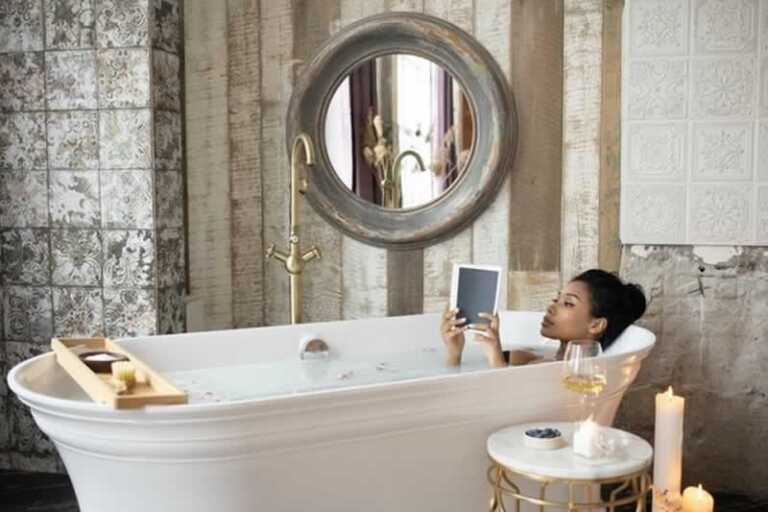

Thinking about a bathroom renovation? Whether you’re chasing a spa-like walk-in shower, better storage, or a safer space for aging-in-place, the right plan keeps costs in check and results on point. Below is a practical, homeowner-friendly guide that blends design, durability, and build-quality, so your new bathroom looks great and holds up to years of daily use.
Start with a plan and a realistic budget
Before you pick tiles or paint, define what success looks like. Do you need a low-maintenance shower, a brighter vanity area, or more floor space? Write down the top three outcomes you want, then set a budget range that includes a 10–15% contingency for surprises behind the walls (old plumbing, hidden moisture, or out-of-level floors).
A simple framework:
- Scope: cosmetic refresh vs. full gut remodel
- Layout: keep fixtures where they are or move plumbing/electrical
- Timeline: tight “one-day shower” upgrade or multi-week full renovation
- Must-haves: walk-in shower, new vanity, better ventilation, non-slip flooring
- Nice-to-haves: heated floors, LED mirrors, shower niche and bench, upgraded fixtures

Choose a layout that works for daily life
Good layouts feel bigger without adding square footage. If your tub is rarely used, a curbless or low-threshold shower can free up space and improve accessibility. Prioritize clear walk paths, a comfortable toilet placement, and storage where you actually reach for it. Tall linen cabinets, recessed medicine cabinets, and under-sink pullouts increase usable storage without crowding the room.
Pro tip: add at least one built-in shower niche for bottles, and consider a corner bench or fold-down seat for comfort and safety.
Materials that last (and are easy to clean)
Beautiful finishes aren’t helpful if they’re high-maintenance. Look for:
- Porcelain tile for floors and shower walls (dense, durable, low absorption)
- Large-format tiles to minimize grout lines and cleaning
- Matte or textured floor tile for slip resistance
- Quartz or solid-surface vanity tops for stain resistance
- Quality fixtures with metal drain/trim kits, ceramic disc valves, and reputable warranties
For shower walls, many homeowners choose large-format porcelain panels or engineered “synthetic stone” systems for a seamless, grout-light look. If you’re comparing options for walk-in shower installation, research systems with integrated waterproofing and sturdy wall panels that can accept grab bars later without rework.
Waterproofing and moisture control are non-negotiable
The most common bathroom remodel failure is hidden moisture. Build it to stay dry:
- Cement backer board or approved wall boards in wet zones
- Properly flashed, waterproof shower pan with a continuous membrane
- Sealed corners and penetrations; 100% silicone at change-of-plane joints
- High-quality exhaust fan ducted to the exterior (not the attic), sized to the room
- A 20–30 minute post-shower fan timer to clear humidity
If you’re tiling, choose a complete waterproofing system (not just tile over backer). If you’re using wall panels, follow the manufacturer’s installation and sealing details exactly.

Lighting and ventilation make or break the result
Great lighting elevates every finish. Layer it:
- Overhead ambient light on a dimmer
- Task lighting at the vanity (side sconces at about eye level reduce shadows)
- Optional accent lighting: toe-kick, shower niche, or backlit mirrors
For ventilation, upgrade to a quiet fan with adequate CFM and continuous or humidity-sensing modes. Add a simple timer switch so it actually runs long enough to matter.
Safety and accessibility without sacrificing style
Safety updates are no longer “clinical”—they can look high-end:
- Low-threshold or curbless shower entry
- Textured, slip-resistant tile or panel flooring
- Properly blocked walls for future grab bars (even if you don’t install them today)
- A handshower on a slide bar, plus a secondary valve within easy reach
- Wider doorways where possible and lever-style handles
A smooth, low step into the shower and a bench or corner seat make the space more comfortable for everyone, not just seniors.
A simple 6-point checklist before you order anything
- Measure twice and sketch the layout with fixture sizes and clearances
- Confirm electrical (GFCI outlets, dedicated circuits for heated floors or fans)
- Choose finishes that coordinate across metal tones and fixture lines
- Lock in ventilation specs and fan location with a proper exterior duct
- Decide on waterproofing method and who’s responsible for inspections
- Build a realistic schedule, including lead times for custom glass and cabinetry
DIY or hire a pro?
Plenty of homeowners handle painting, trim, and even setting floor tile. But showers, waterproofing, plumbing, and electrical require precision and the risk of mistakes is expensive. A licensed, insured contractor can streamline permits, schedule trades, and stand behind the work. If you’re on the fence, consider a hybrid approach: hire out the shower and waterproofing, DIY paint and accessories.
Frequently asked questions
How long does a bathroom renovation take?
A cosmetic refresh can be a long weekend. A tub-to-shower conversion or one-day shower retrofit often wraps in 1–2 days. A full remodel with layout changes, tile, custom glass, and permits commonly runs 2–4 weeks, depending on inspections and lead times.
What’s a realistic budget?
Budgets vary by region and scope. Swapping fixtures and a prefabricated shower can be a few thousand dollars. A mid-range remodel with new vanity, tile shower, and lighting often lands in the low-to-mid five figures. High-end tile, custom glass, and heated floors drive costs up. Always include a 10–15% contingency.
Is tile or a wall-panel system better?
Tile offers more design freedom and a classic look, but it requires meticulous waterproofing and ongoing grout care. Quality wall-panel systems minimize seams, clean easily, and install quickly. If you want fast, low-maintenance results, panels are hard to beat; if you want custom artistry, tile wins.
What boosts resale value most?
Modern, low-maintenance showers, bright vanity lighting, durable flooring, and ample storage are buyer magnets. Thoughtful updates that feel clean, safe, and easy to live with typically deliver the best return.