As home improvement television shows become more popular, many people who hope to save money are enticed to do their home renovations and repairs. Such projects are a good idea, especially now that people are advised to stay home and exercise physical distancing until the pandemic is over.

However, before you embark on any repair and renovation work, you must ensure your safety. Below are seven tips to help avoid hazards while doing your home repair work.
Choose the Proper Workwear for the Job
Using improper workwear is a leading cause of accidents during DIY home improvement projects. Even if you’re doing minor repairs at home, you always need to dress appropriately. It’s especially crucial if you’re working outdoors or operating power tools. First, it’s always prudent to wear work pants instead of loungewear, boxer shorts, or other flimsy types of clothing. You need to cover your legs, particularly if you’re going to work outside in your garden. Sturdy pants will protect you from scrapes, bruises, or even minor burns. You should also wear the proper footwear to protect your feet from nails, debris, broken glass, or wood chips. Don’t work barefoot or in flip-flops. Lastly, avoid wearing jewelry and shirts or jackets with frills that can get snagged while you’re handling equipment.
Wear Personal Safety Gear
Again, your safety is your priority. You don’t want the money you’ll save from doing your DIY home repair to go to hospital bills because you forgot to protect yourself. Some of the things that you might need to wear before starting any repair jobs include the proper type of gloves, safety goggles, mask, earmuff, and hard hat. You can have a straightforward shopping experience if you buy your protective gear and workwear online. Just choose stores, such as Federal Workwear, that carry various product lines and brands that you can use when doing your DIY home repair. Doing so, it’ll give you a better chance to find safety apparels that fit your budget.
Use the Right Tools
One thing to keep in mind when starting a DIY home repair is to use proper tools. Some people choose to repurpose old equipment lying around in their homes. While you can use improvised tools, doing so may cause accidents or delay your project’s completion. Apart from using proper tools, you need to ensure that they’re clean and in good working condition before working on your project. Some of the handy tools for home repairs that you should consider having in your DIY toolbox include the following:
- Tape measure
- Hammer
- Pliers
- Screwdriver
- Hand saw
- Level
- Different types of tapes
- Putty
Take Extra Precaution When Using Power Tools
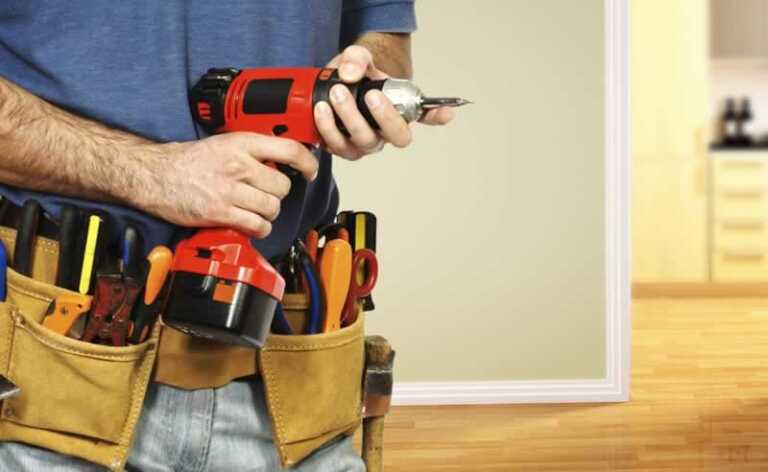
For individuals who love doing things independently, power tools are exciting things to own or use. But did you know that power tools can be dangerous? So, before you even consider using table saws, woodchippers, power staplers, chain saws, power drillers, and even lawnmowers, you must read the instructions on how to use them properly. Also, inspect your tools before operating them. It’s the only way to test if they’re in good condition. When using power tools, you must wear protective gear and use appropriate clothing. It’s also vital that you keep safety locks on before and after use. Don’t operate power tools if you’re sleepy, tired, injured, or drunk. Even if you’ve been using power tools for years, always exercise precaution and don’t let your guard down.

Clean and Prepare Your Surroundings Before Working
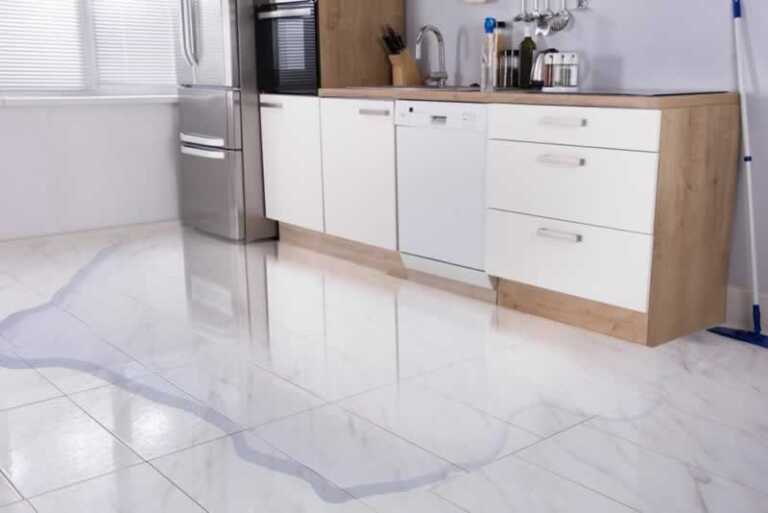
It would help if you always prepare your work area before you start a job. For example, if you will work on your bathroom, you must wipe dry wet areas. This way, you don’t have to worry about slipping hazards. Always check your surroundings for possible tripping hazards or materials that might cause a fire. If you’re using chemicals, make it a point to open windows and doors or use fans for proper ventilation.
Always Work in Well-Lit Areas
If you’re working under your kitchen sink or basement, you must ensure proper lighting in the area. If you need to use battery-operated lights, do so. You don’t want to get into accidents due to poor visibility. You don’t want to make mistakes and restart from scratch because you can’t see things.
Have A First-Aid Kit Ready
No matter how proactive you are regarding your safety and that of your family, you can’t wholly prevent accidents when working on home repair projects. So, before starting, have a first-aid kit handy for bruises, wounds, and other minor problems.
Bottomline
Doing home repair work is a fun and cost-efficient activity that anyone can do. However, such projects come with potential hazards. So, always keep safety as your number one priority. Choosing the right wear for the job can help ensure a worry-free, safe, and economical home improvement activity.