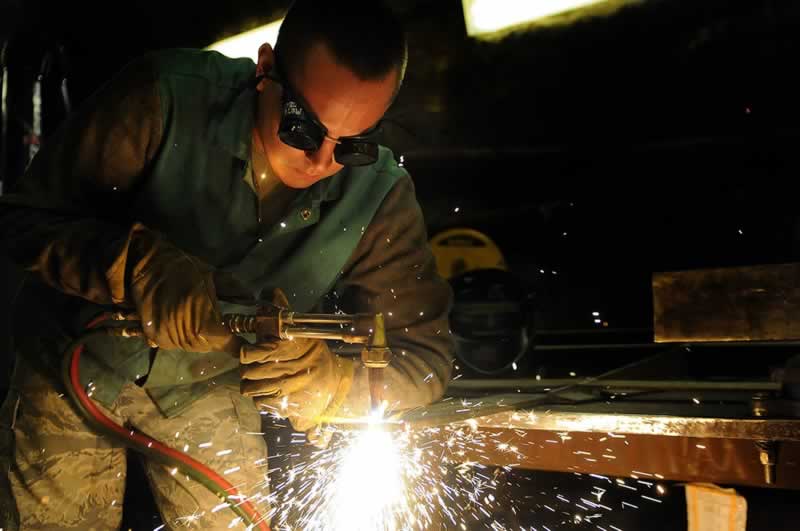
Welding can be a very dangerous task. This is especially true when you are not properly equipped with the right tools, the right accessories, and the right skills needed for the job. Unskilled welders face risks like the hazards of fire, danger of electrocution (that can sometimes lead to irreversible damages to your person), prolonged exposure to toxic fumes, possible burns and so much more. Even skilled welders sometimes experience these things when doing their job.
To do a welding task safely, you will need to follow a practicable but strict procedure. This procedure involves patience and persistence. We have compiled some of the best dos and don’ts for safely doing a welding job. Continue reading to learn more about these tips!
DO NOT USE SUBSTANDARD WELDING EQUIPMENT
It has always been a dilemma: Investing in pricey but high quality products or purchasing cheap products so you can save a few bucks. The wiser choice would be investing in the more expensive option because this will save you a lot of bucks in the long run. If you were to choose the substandard option, you will inevitably have to buy new replacements every now and then.
Moreover, there is that danger that substandard equipment might explode or have a short circuit. This increases the possibility of injury or worse, burning down the establishment. Always invest in excellent and high quality welding equipment. Trust us, you will thank yourself that you did!
DO WEAR PROTECTIVE GEAR
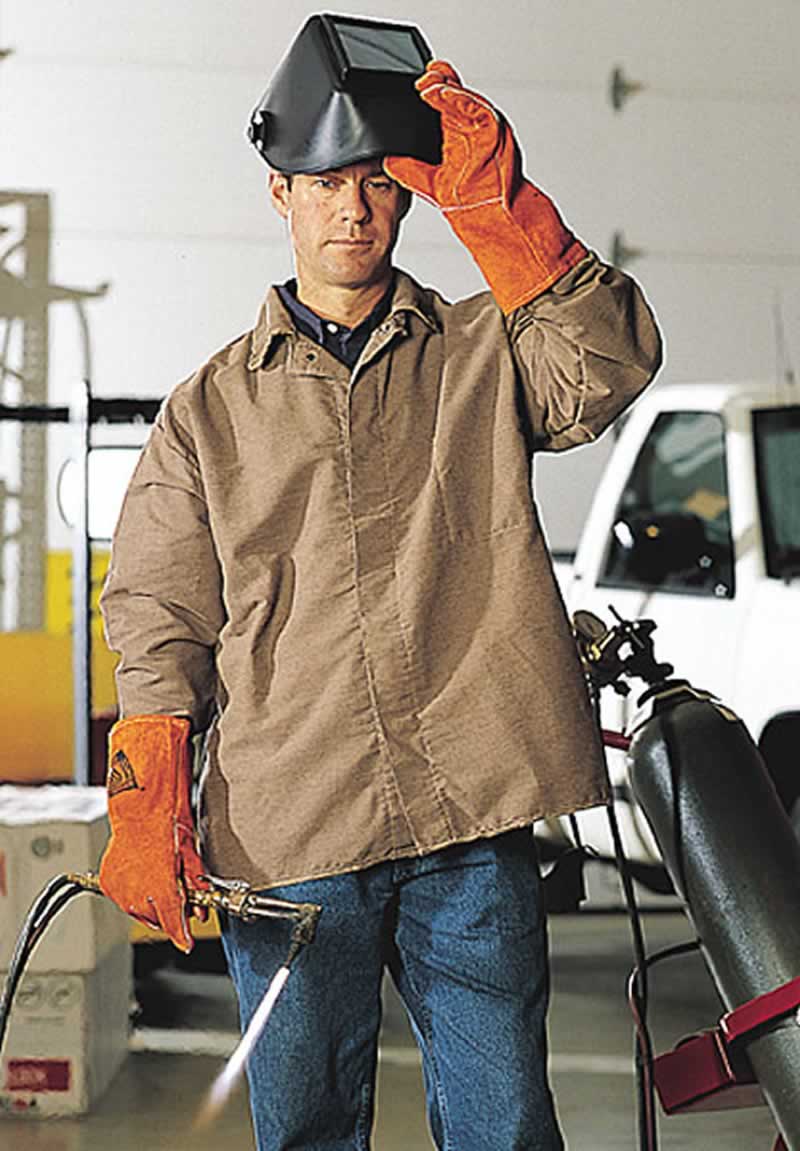
When welding, you have to use protective gear to shield yourself from the harmful fumes and gases. Also, you need them to protect yourself from burns and also to prevent the sparks from getting in your eyes.
For protective gear, we recommend using welding sleeves, welding earmuffs, welding blankets, welding helmets, and tinted welding glasses (shades 3-5). Also, you can opt for welding coveralls if you want to be extra protected. Advisedly, your footwear must also be leather and it should be flexible.
DO NOT LET ANY FLAMMABLE MATERIAL GET NEAR THE WELDING SITE
Check your pockets for matches, lighters, or any flammable material. If there is any, put them away in a safe place. These may catch fire if they get exposed to the heat and flames of the welding process.
Ideally, these combustible materials should be kept at least 40 feet away from the place where the welding process happens. Make sure to also check your fire extinguishers if they are still in working condition so that in case of emergency, you can immediately make use of them.
DO PUT AWAY ANY METAL OBJECT ON YOUR BODY
When dealing with welding, you must be sure to check and rid yourself of any metal objects you may have in your ear, nose or in any other places. Change your clothes to welding-friendly fabrics to save you from the hassle. Take note that some pants are designed with cuffs and you must not wear these types of clothes because it can be dangerous. If you want to learn more about welding visit Weldingmania.